Owner-Operator Fuel Cards 2026: Pilot vs TA vs Love's Compare
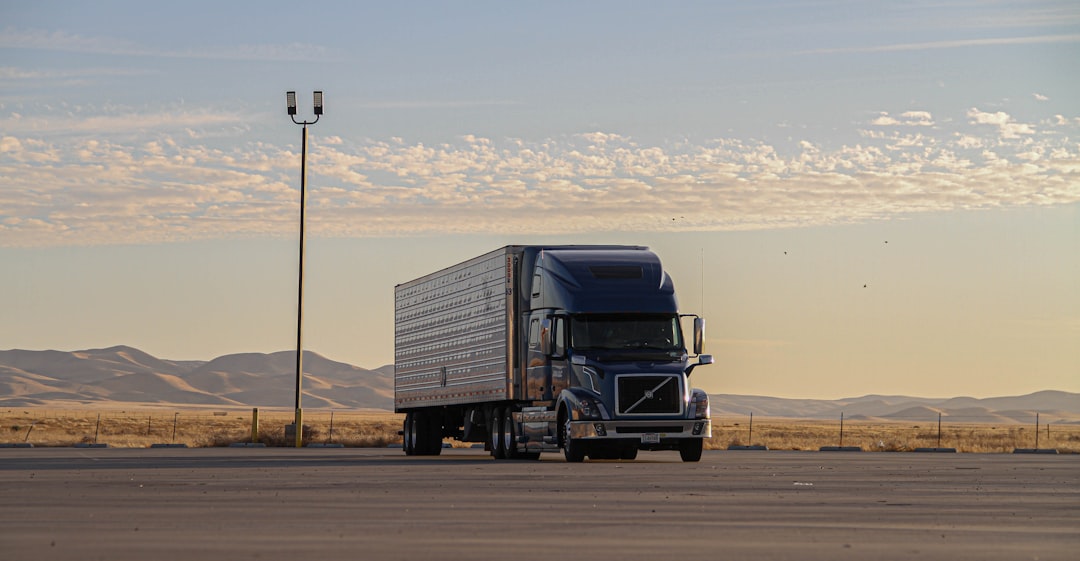
Fuel is the single largest variable cost in owner-operator trucking — roughly 38% of total operating expenses per the 2025 ATRI operational cost report. On a truck running 110,000 loaded miles a year at 7 mpg, that’s around 15,700 gallons annually. Every 5 cents saved per gallon = $785 per year. Every 12 cents saved = $1,884 per year. Fuel cards are where those cents get captured — but only if the right card is matched to the right route profile.
This guide is the practical 2026 breakdown of the major U.S. owner-operator fuel card programs: what each one saves per gallon, which lanes fit which network, what the hidden fees are, and how the IFTA reporting simplifies (or doesn’t) with each option.
Note: Fuel card discount rates, network coverage, and fees change periodically as chains adjust promotions. The figures below are 2026 program patterns; verify current terms with each provider before signing an agreement. This is general operational information, not fuel-purchasing advice.
Why Fuel Cards Beat Retail Diesel
Retail diesel prices posted at the pump are for consumer-grade small buyers. Truck stops route commercial-grade discounts through their fuel card programs. The discount comes in three forms:
- Cost-plus pricing — the card charges the truck stop’s cost + a small margin, typically 4–12 cents below retail
- Rebate program — bulk purchase rebate paid back monthly, often 2–6 cents/gallon
- Loyalty program — additional per-gallon discount for volume tiers
Combined, a well-matched fuel card saves owner-operators 7–15 cents per gallon vs paying retail at the pump. On 15,700 gallons: $1,099–$2,355 per year.
The Major 2026 Fuel Card Programs
Pilot Flying J — myRewards Plus + One9 Fuel Network
Network: Largest U.S. truck stop network. 750+ Pilot + Flying J locations across the country.
2026 typical savings: 4–10 cents/gallon depending on volume tier + One9 loyalty status.
Strengths:
- Deepest network — hardest to be caught without a Pilot within reasonable range
- Strong loyalty program tier structure
- Simple mobile app for pump activation
Weaknesses:
- Discount per gallon less aggressive than some competitors
- Add-on services (parking, shower credits) less premium than TA
Best for: OO running national/coast-to-coast lanes who need broadest coverage.
TA / Petro — UltraONE
Network: ~285 TravelCenters of America + Petro locations, concentrated on major interstate corridors.
2026 typical savings: 6–12 cents/gallon on UltraONE program.
Strengths:
- Most aggressive per-gallon discount
- TA truck service integration (maintenance discounts through same account)
- Reserved parking availability
Weaknesses:
- Smaller network than Pilot — needs route planning around TA/Petro locations
- Fewer locations in Pacific Northwest + parts of the Midwest
Best for: OO running Northeast + Midwest + Southeast corridors who can plan around the TA network.
Love’s Travel Stops — Love’s Express + My Love’s Rewards
Network: ~625 Love’s locations, strong in Southwest, Texas, and Great Plains.
2026 typical savings: 5–10 cents/gallon with volume + loyalty tier.
Strengths:
- Best coverage in Texas, Oklahoma, and Southwest
- Speedco integration (Love’s owns Speedco — fast oil + lube + tire service at many locations)
- Fresh-food quality generally rated higher than competitors
- Reserved parking + shower programs
Weaknesses:
- Weaker in Northeast + Pacific Northwest
- Mobile app less feature-rich than Pilot’s
Best for: OO running South Central / Southeast / Southwest lanes.
FleetOne / Comdata / EFS (Third-Party Fleet Cards)
Network: Card-agnostic; accepted at Pilot + TA + Love’s + independent truck stops.
2026 typical savings: 4–9 cents/gallon (aggregate across networks).
Strengths:
- Broadest network coverage (accepted at 8,000+ locations)
- Better for OO with unpredictable routes
- Integrated IFTA reporting + accounting
Weaknesses:
- Discount per gallon usually less aggressive than direct chain cards
- Monthly card fee ($5–$15/month)
Best for: OO with irregular routes who need one card that works everywhere.
Side-by-Side Compare
| Program | Network Size | Discount | Best Lanes | Monthly Fee |
|---|---|---|---|---|
| Pilot Rewards | ~750 | 4–10 cents | National | $0 |
| TA / Petro RoadKing | ~285 | 6–12 cents | NE + MW + SE | $0 |
| Love’s Connect | ~625 | 5–10 cents | SW + South | $0 |
| FleetOne / Comdata | 8,000+ | 4–9 cents | Multi-network | $5–$15 |
The Multi-Card Strategy
Most experienced owner-operators carry 2 cards, not 1:
- Primary chain card (Pilot, TA, or Love’s) matched to dominant lane profile
- Backup universal card (FleetOne / Comdata) for stops where the chain isn’t nearby
The primary card gets 80% of the fuel volume + best discount. The backup covers 20% of stops in coverage gaps.
Two-card annual savings vs single-chain-only: typically $400–$900 based on route flexibility.
Beyond Fuel: The Full Card Value
Fuel cards do more than discount fuel. The full value stack:
- Reserved truck parking (Pilot One9, Love’s, TA) — critical in Northeast where parking is scarce
- Shower credits ($15–$20/shower retail; typically free with 30+ gallon purchases)
- Weigh scale discounts (CAT scales integrated with some cards)
- Maintenance discounts (TA truck service integration; Speedco is a Love’s-owned brand)
- Mobile pump activation (skip the cashier line, activate at pump)
Reserved parking alone is worth $30–$80 per week in some Northeast markets. Factor into total card value comparison.
The IFTA Reporting Advantage
Fuel cards integrate with IFTA reporting in different ways:
- Chain cards (Pilot/TA/Love’s) — provide detailed monthly fuel reports by state, exportable to your IFTA software
- Fleet cards (FleetOne/Comdata) — full IFTA reporting built into the platform; quarterly filing largely automated
For OO doing their own IFTA quarterly filings, a fleet card’s built-in reporting saves 2–4 hours per quarter. That’s meaningful over a year.
Common Fuel Card Mistakes
Three that consistently cost OO money:
- Sticking with one card because “that’s what they said to use in trucking school.” Route profile changes over time; re-evaluate card mix every 12 months.
- Ignoring the loyalty tier bump. Most programs have volume tiers that unlock 2–4 cents/gallon additional discount. Track quarterly gallons and push for the next tier when close.
- Paying retail at non-network stops without checking price differential. Sometimes retail at a non-network truck stop is still cheaper than driving 40 miles out of route to the network stop. Do the math per stop.
Setup Timeline
- Days 1–3: Apply for primary chain card matched to your dominant lane (10 minutes online)
- Days 4–7: Card arrives + activate via mobile app or 800 number
- Days 8–14: Apply for backup fleet card (FleetOne or Comdata)
- Day 15: First fill-up on the new card system
What to Track After Setup
Monthly metrics to log:
- Effective per-gallon discount: (retail price at pump - actual card price) × gallons
- Non-network stops: how often did you buy outside your primary card’s network?
- Reserved parking usage: if the card includes parking, are you using it?
- Loyalty tier progress: where are you toward the next volume tier?
At 3-month intervals, evaluate whether current card mix still fits the actual route profile.
FAQ
Do I need a credit check to get a fuel card? Some chain cards (Pilot, TA) allow prepaid or debit-linked accounts without credit check. Fleet cards (FleetOne, Comdata) typically require credit check + business bank account.
What’s the average per-gallon savings from a fuel card? 7–15 cents/gallon combined discount + rebate for a well-matched card. On 15,700 gallons/year, that’s $1,100–$2,350 annual savings.
Can I use multiple cards simultaneously? Yes, most OO carry 2 cards. Primary chain + backup fleet card is the standard combo.
How often should I switch fuel cards? Re-evaluate every 12 months as route profile evolves. Switching mid-year is fine if a competitor’s program clearly beats yours.
Do fuel cards affect my insurance rate? No. Fuel cards are purchasing tools; insurance carriers don’t factor them in.
The Full Playbook
This post is the fuel card breakdown. The full owner-operator startup toolkit — CPM calculator, insurance shopping guide, MC authority filing checklist, and the 125-action new OO checklist — is inside the trucking business plan and owner-operator toolkit on Etsy.