Laundromat Wash-and-Fold Launch 2026: $2K/MO Add-On Real Math
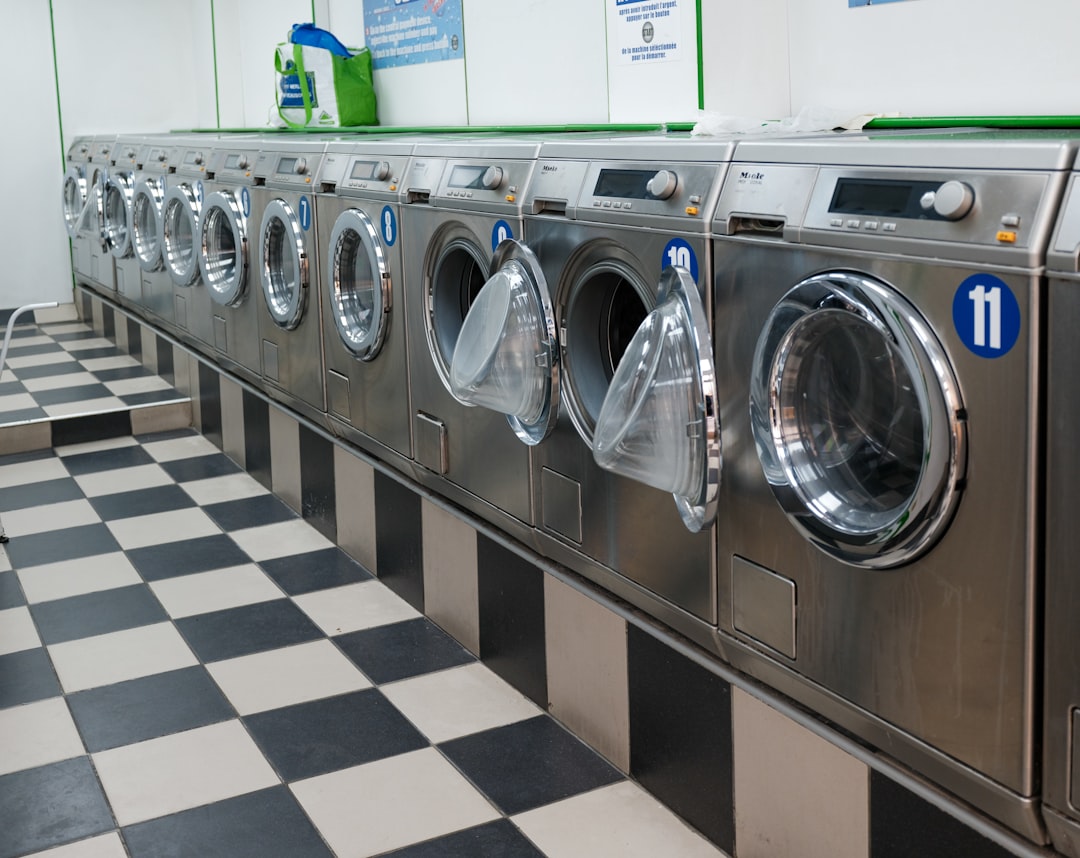
An unattended laundromat maxes out at whatever revenue its walk-in customers self-generate. A store with a wash-and-fold service adds $2K–$3K/month of predictable recurring revenue on top — from customers who don’t want to spend 90 minutes doing their own laundry. For most stores, wash-and-fold is the highest-ROI service expansion available, requiring $2K–$4K in equipment + supplies + one part-time attendant, and paying back inside 4–6 months.
But it’s not free money. Wash-and-fold is a service business inside a laundromat, with its own pricing structure, workflow, quality standards, and customer expectations. Launching it wrong — bad pricing, sloppy folding, unreliable turnaround — damages the store’s brand and can cost more than the added revenue produces.
This guide is the launch playbook.
Note: Wash-and-fold pricing + operational patterns vary by market, competition, and existing store profile. The figures below are 2026 U.S. averages for typical mid-cost suburban / small-city markets. Adjust for local conditions.
Why Wash-and-Fold Is Worth Adding
Three financial reasons wash-and-fold consistently pays back:
- Recurring revenue base. Wash-and-fold customers cluster into weekly or bi-weekly patterns. A book of 20 recurring customers = $2,400–$3,600/month baseline before any walk-in growth.
- Higher margin per pound. Self-service wash generates ~$1.85 per cycle. Wash-and-fold generates $2.00–$3.00 per pound at 6–12 lb/customer visit. Effective revenue per equipment cycle is 2–3× higher.
- Store differentiation. In a market with 3+ nearby laundromats, wash-and-fold is often the deciding factor for busy customers choosing which store to use.
The 2026 baseline: a mid-size store adding wash-and-fold sees $18K–$32K/year additional revenue after Year 1 ramp, at a 55–68% gross margin.
2026 Wash-and-Fold Pricing
Two pricing models dominate:
Per-Pound Pricing (Most Common)
- Basic wash-and-fold: $1.85–$2.50 per pound
- Premium (fabric softener, special detergent): $2.50–$3.50 per pound
- Same-day rush: +25% surcharge
- Delicates / hand-finish: +$8–$15 per item
Typical customer visit: 8–15 pounds = $15–$50 per visit.
Bag Pricing (Simpler for Attendants)
- Small bag (up to 10 lb): $22–$30 flat
- Medium bag (10–20 lb): $40–$55 flat
- Large bag (20–35 lb): $65–$95 flat
Bag pricing is easier for attendants to explain + faster at the counter. Per-pound is more accurate for the customer.
Most stores start with per-pound and shift to bag pricing after 6 months if margins are consistent.
The Setup Investment
Minimum viable wash-and-fold launch:
| Item | Cost |
|---|---|
| Digital hanging scale (2 units) | $150–$280 |
| Laundry bags with intake tags (250) | $180–$300 |
| Folding station table + shelves | $200–$450 |
| Wire hanging racks for shirts | $80–$150 |
| Premium detergent + softener starter | $150–$250 |
| Signage + intake form printing | $80–$150 |
| POS system update / add-on service SKU | $0–$300 |
| Optional: pickup + delivery vehicle | $12K–$25K |
| Total (walk-in only) | $840–$1,880 |
The service is functional at under $2K. Pickup/delivery is a Year 2 expansion — not required for launch.
The Intake + Turnaround Workflow
The workflow that consistently produces satisfied customers:
Step 1 — Intake (60–90 seconds per customer):
- Weigh the bag on scale
- Fill out intake tag (name, phone, weight, special instructions)
- Assign intake number + attach tag to bag
- Text or email confirmation to customer
- Confirm pickup time (standard 24-hour turnaround)
Step 2 — Wash + Dry (2–3 hours):
- Sort by color + fabric (attendant discretion or per intake note)
- Wash on customer’s preferred cycle (default: warm + normal)
- Dry to full completion (never damp)
Step 3 — Fold + Package (30–45 min per bag):
- Fold neatly to a consistent standard (train once, enforce always)
- Package in customer’s original bag or store-branded bag
- Hang shirts on wire hangers if requested
- Attach return tag with pickup time
Step 4 — Pickup:
- Verify intake number + customer ID
- Process payment (POS card or app)
- Hand over neatly stacked bag
Total attendant time per typical 12-lb bag: 40–50 minutes across the workflow (intake + fold + package). At $18/hour attendant wage, labor cost per bag: ~$14. Revenue per bag at $2.35/lb: $28. Gross margin per bag: ~50%.
Staffing the Service
Two staffing models:
Model 1: Existing attendant + wash-fold (best for stores already attended)
- Add wash-fold to existing attendant duties
- Set specific “wash-fold acceptance hours” (e.g. Mon–Sat 10am–4pm)
- Marginal labor cost: $0 (existing attendant just takes on additional work)
Model 2: Dedicated wash-fold attendant (best for unattended stores adding service)
- Part-time 20 hr/week attendant, $16–$22/hour
- Weekly labor cost: $320–$440
- Break-even at 12+ bags/week
Most stores start with Model 1 to test demand, then move to Model 2 as volume grows.
First 30 Customers — Launch Playbook
Week 1: Soft launch
- Signage in-store announcing service
- Attendant offers wash-fold to every 3rd walk-in customer
- Target: 3–5 first-time users
Week 2: Local awareness
- Update Google Business Profile with wash-and-fold service tag
- Post in local Facebook groups: “New service at [store name] — drop off, pick up next day”
- Nextdoor announcement in surrounding neighborhoods
- Target: 8–12 total users
Week 3: Apartment building outreach
- Property manager visits at 3 nearby apartment buildings
- Leave 100 flyers per building
- Offer 15% discount for the building’s first 20 sign-ups
- Target: 15–20 total users
Week 4: Referral engagement
- Every completed order gets: “Refer a friend and both get $5 off next order”
- Ask for Google review
- Target: 25–30 total users
By Day 30: 20–30 recurring customers, ~$500–$900/week revenue baseline. Month 3–4 typically reaches $2K/mo run rate.
Common Wash-and-Fold Mistakes
Three that damage margin + brand:
- Underpricing to “get started.” Setting $1.25/lb because “we need customers” trains the market permanently. Price at market from Day 1.
- Inconsistent folding standards. Customer #1 gets neatly folded shirts; customer #12 gets crumpled t-shirts. Kills retention. Train one standard, enforce always.
- Skipping the intake form. Verbal-only intake creates disputes over special instructions, timing, and payment. Written intake tag protects everyone.
Growth: Wash-and-Fold to Pickup + Delivery
After Year 1 with a stable walk-in wash-fold base, the natural expansion is pickup + delivery:
- Adds $12K–$25K vehicle cost
- Subscription pricing model ($40–$70/month for weekly pickup)
- Reaches customers within 5-mile radius who never enter the store
- Adds $3K–$8K/month revenue at Year 2+ maturity
Not right for Year 1 launch. Right for Year 2–3 as walk-in wash-fold demand plateaus.
FAQ
How much does it cost to launch wash-and-fold? Under $2,000 in equipment + supplies for walk-in only. Pickup + delivery adds $12K–$25K for vehicle.
How much revenue can wash-and-fold add? $2,000–$3,600/month recurring after Year 1 ramp for a typical mid-size store. Higher for stores with strong apartment density.
How long until wash-and-fold pays back the setup cost? 4–6 months for walk-in-only launch. Longer for pickup/delivery expansion.
Do I need a separate license for wash-and-fold? Usually no — wash-and-fold is part of the laundromat’s existing service license. Some states require a separate professional services license. Verify with your state.
Can I offer wash-and-fold at an unattended store? Yes, but only with a dedicated part-time attendant during specific acceptance hours. Fully unattended wash-and-fold doesn’t work — the intake + folding needs a person.
The Full System
This post is the wash-and-fold launch playbook. The full laundromat toolkit — DSCR-ready lender packet, site selection scorecard, 12-month P&L with wash-and-fold overlay, and 8 decision tools — is inside the laundromat business plan and toolkit on Etsy.