Laundromat Utility Audit 2026: Water, Gas, and Electric Real Math
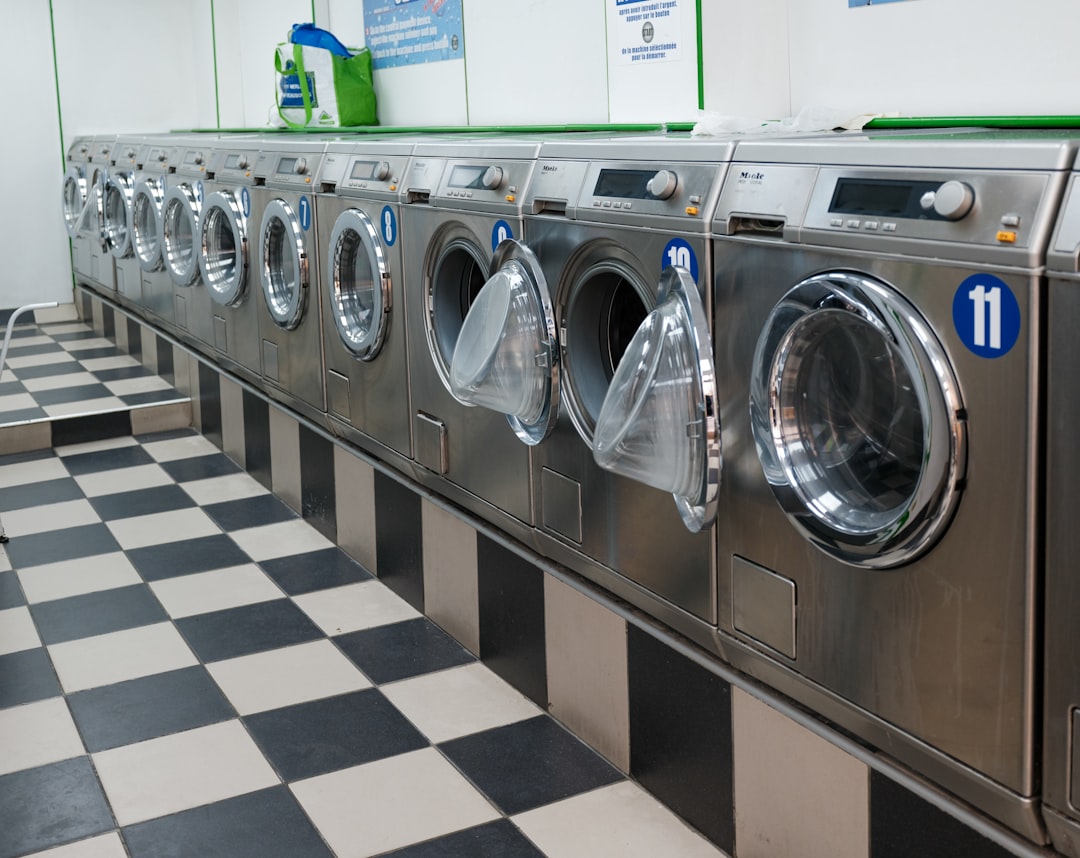
Ask a laundromat operator what killed their Year 2 margin and roughly half of them will say the same thing: the water bill. Not the rent, not the payroll, not the equipment finance. The water bill. Utility costs — water, gas, electricity — are the second-largest operating expense category for most laundromats, and the one that quietly compounds when nobody is watching. A store that opens at 18% utilities-to-revenue and ignores the ratio for two years often wakes up at 28% and doesn’t understand why the P&L stopped working.
The good news: laundromat utilities are the most auditable line item on the income statement. Water flowing through machines equals cycles run equals revenue produced. The math is unavoidable and the audit protocol is simple. Once operators run it, most stores find $200–$600 per month in recoverable margin.
This guide is that protocol.
Note: Utility rates and rate classes vary substantially by state, utility provider, and account tier. The figures below are 2026 U.S. patterns. Pull your actual bills before making any conclusions about your store — every store’s math is site-specific.
Why Utilities Are the Highest-Leverage Line Item
Three reasons utilities matter more than most operators realize:
- They compound. A 1% margin drift caught in Month 3 costs a few hundred dollars. The same drift caught in Month 24 has already cost $10K–$18K and reset the store’s cash trajectory.
- They correlate directly with revenue. Water in = cycles run = revenue. If those don’t line up, either the rate structure is wrong or the seller’s revenue claim was inflated.
- They’re vendor-negotiable. Unlike rent, utilities have multiple providers and rate classes that many operators never explore.
The healthy 2026 benchmark for a well-run laundromat: utilities-to-revenue at 18–25%. Below 18% is either a low-utilization store or an unusually favorable rate class. Above 25% and something is leaking margin.
The 3-Bill Audit
Every quarterly audit pulls three bills and works through them in sequence.
Bill 1: Water — The Master Signal
Water is the most important because it’s directly convertible to revenue.
What to pull: 24 months of water bills, monthly gallons + monthly cost.
Math:
- Cycles per month = gallons ÷ average gal/cycle (18 gal blended for a mixed-machine store).
- Implied revenue = cycles × $1.85 blended ticket.
- Utility ratio = water $ ÷ implied revenue.
Compare month-over-month. Three patterns to watch:
- Steady increase in gallons without revenue increase — usually a leak (hose, gasket, faucet).
- Cost per gallon rising faster than usage — rate class change or tier bump. Call the utility.
- Sewer as a multiple of water — some cities bill sewer as 1.5–2× water usage. If yours does, that’s baked into the water bill number and needs to be evaluated separately.
The highest-leverage fix: submeter each machine bank. A $300 sub-meter installed on the high-usage washer row identifies which machines are outliers. Payback typically 3–6 months.
Bill 2: Gas — The Dryer Signal
Gas is 60–80% of the dryer operating cost.
What to pull: 24 months of gas bills, monthly therms + monthly cost.
Math:
- Therms per dry cycle = monthly therms ÷ dryer cycles (estimate dryer cycles at 65–80% of wash cycles).
- Benchmark: 0.15–0.28 therms per cycle for a modern high-efficiency dryer; 0.35+ for older stack dryers.
If therms per cycle is above 0.30, the dryer fleet is inefficient. Two remediation paths:
- Lint trap discipline — a clogged lint system cuts dryer efficiency 12–25%. Weekly cleaning is non-negotiable.
- Dryer belt + exhaust vent inspection — quarterly.
The bigger fix: rate class shift. Most laundromats sit in a commercial gas rate class, but many qualify for “small commercial” or “food-service commercial” tiers with per-therm rates 8–15% lower. Call your gas company’s business account manager. This is a 20-minute phone call that saves $60–$180 per month.
Bill 3: Electric — The Demand Charge Trap
Electric is where most laundromats hemorrhage margin without noticing. Commercial electric bills have two components:
- Energy charge — per kWh consumed.
- Demand charge — per kW of peak instantaneous draw during any 15-minute interval that month.
The demand charge is the trap. When 6 washers start simultaneously with hot water heaters cycling on, the store’s peak demand can spike 3–5× its average. That single spike sets the entire month’s demand charge, which can be 30–40% of the total bill.
Audit steps:
- Pull the last 12 months of electric bills, separate energy from demand charges.
- Calculate demand charge as a % of total electric. If it’s above 35%, there’s serious optimization potential.
- Ask the utility for time-of-use (TOU) rate class eligibility. Many stores qualify but never signed up.
- Consider staggered-start timers on hot water heaters and dryers. $200 in timers prevents the peak spike.
Utility Ratio Targets by Store Type
| Store type | Target utilities/revenue |
|---|---|
| Unattended self-service (efficient equipment) | 15–19% |
| Unattended (older mixed fleet) | 20–24% |
| Attended + wash-and-fold | 22–27% |
| High-utilization (dense urban) | 25–30% |
If your ratio is 3+ points above target, it’s usually one of three problems:
- Rate class wrong (fixable with a phone call)
- Deferred equipment maintenance (fixable with 60–90 days of discipline)
- Structural — leaking pipes or major inefficiency (fixable with $3K–$15K retrofit)
The Quarterly Audit Cadence
Set a calendar reminder for the 15th of each quarter’s second month. Pull all three utility bills, run the math, log the ratio. A 12-month rolling ratio is more diagnostic than any single month.
What the log tracks:
- Water $ + gallons + implied cycles + ratio %
- Gas $ + therms + therms per cycle
- Electric $ + energy % + demand %
- Utilities-to-revenue running 3-month average
Store operators who run this cadence catch problems 60–90 days before they hit the P&L. That is often the difference between a 12% Year 2 net margin and a 6% one.
The Retrofit Math — When It Pays
Not every retrofit pays back. The three that typically do:
Low-flow retrofit kits ($800–$2,500 per store). Reduces water usage 8–14% on older machine fleets. Payback typically 8–18 months.
Programmable dryer timers ($150–$400 per dryer). Cuts gas 6–12% by preventing over-drying. Payback 6–14 months.
Water pre-heater or boiler upgrade ($4K–$12K). Cuts gas 15–25% by pre-warming intake water. Payback 24–36 months, longer than most owners are willing to hold.
The retrofit trap: sales reps promise 30%+ savings that rarely materialize. Get 2–3 written quotes with itemized savings assumptions, then discount them 40% for reality.
Common Utility Audit Mistakes
Three patterns that consistently hurt:
- Ignoring the sewer line item. Sewer is often bundled with water and can be 40–60% of the “water bill.” Understanding whether sewer is a flat fee or a multiple of usage changes the audit math.
- Comparing monthly bills without normalizing for season. Winter water use spikes because incoming water is colder + needs more heating. Compare same-month year-over-year, not adjacent months.
- Not calling the utility for rate class review. Every 24 months, ask for a rate class review. Many laundromats end up in commercial-general when they qualify for commercial-food-service or small-business tiers with meaningfully lower rates.
When to Call in a Consultant
For most stores, the DIY audit above surfaces 80% of the recoverable margin. But for larger operations (multi-store + $500K+ annual revenue), a utility optimization consultant paid on 50% of savings often surfaces additional 4–8% of margin the owner never would have found. Look for consultants who specialize in laundromats specifically, not generic commercial utility auditors.
Cost: typically 50% of Year-1 savings, then zero. So no downside unless the consultant finds nothing.
FAQ
What is a healthy utilities-to-revenue ratio for a laundromat in 2026? 18–25% is the standard range for a well-run store. Below 18% is unusually favorable; above 25% signals something wrong.
How often should I audit my utility bills? Quarterly at minimum. Monthly rolling review during Year 1 while the store’s baseline is being established.
Can I really call the utility and get a rate class change? Yes — utilities have multiple commercial rate classes and most operators never explored theirs. A 20-minute call to the business account manager often results in an 8–15% cost reduction.
Is a smart utility monitoring system worth it? For single stores under $300K revenue, probably not — the manual audit works. For multi-store operations, real-time monitoring ($40–$80/mo) pays for itself in early leak detection.
What if my landlord bills utilities as part of CAM? Landlord-billed utilities via CAM is often a hidden markup. Push for direct submetered utilities or line-item disclosure in the CAM audit clause.
The Full System
This post is the utility audit protocol. The full toolkit — Excel utility audit calculator, rate class review script, retrofit ROI calculator, and the 8 decision tools every laundromat operator should have — is inside the laundromat business plan and toolkit on Etsy.
#Laundromat #Utility Audit #Water #Gas #Electric #Small Business