Laundromat Lease Negotiation 2026: Terms That Protect Margin
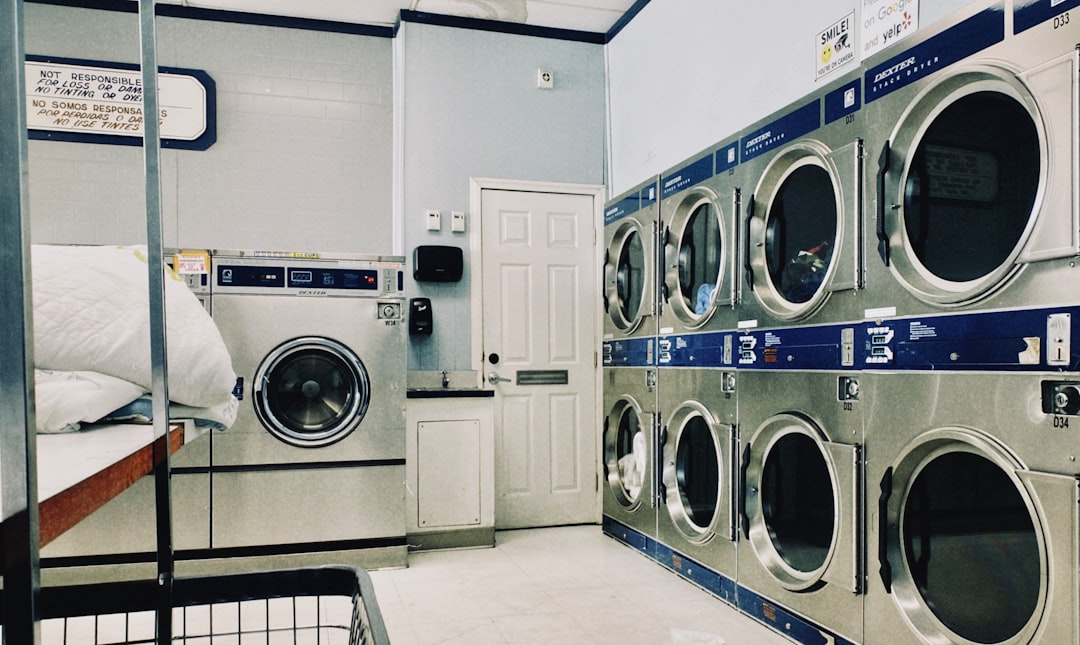
Almost every part of a laundromat can be changed after you open. You can re-price the machines, retrofit the dryers, add wash-and-fold, convert to card. The one thing you cannot easily change is the lease. A laundromat is a fixed-location business with $150K–$400K of equipment bolted to the floor — the lease you sign is effectively the deed to your revenue for the next decade. Sign a bad one and you spend ten years operating a store that can never quite make its numbers work. Sign a good one and you have a defensible, sellable asset.
Because equipment is expensive and immovable, laundromat leases are longer than most retail leases — 10 to 15 years is standard, often with renewal options beyond that. That length cuts both ways: it protects your investment, but it also locks in every mistake. This guide is the clause-by-clause negotiation framework for protecting margin over the full term.
Note: Commercial lease terms, CAM structures, and landlord practices vary substantially by market, property type, and landlord. The figures below are 2026 U.S. patterns. Every lease is negotiable and every clause has trade-offs — have a commercial real estate attorney review any lease before signing. This is general operational information, not legal advice.
Why the Lease Is the Highest-Stakes Document You Sign
Three reasons the lease outranks every other decision:
- It’s the longest commitment. Your equipment finance is 5–7 years. Your utility contracts renew annually. The lease runs 10–15 years — longer than you’ll own most of your machines.
- It’s the least reversible. Re-pricing takes an afternoon. Getting out of a bad lease takes a buyout, a sublet, or a lawsuit.
- It sets your exit value. A laundromat sells on its cash flow and its remaining lease term. A buyer won’t pay a premium for a store with three years left and no renewal options.
The rent number gets all the attention, but rent is only one of eight or nine clauses that determine whether the store makes money. The clauses below are where deals are won and lost.
Term Length and Renewal Options
You want a long total controllable term — but structured so the risk sits with the landlord, not you.
The ideal structure for a laundromat:
- Initial term: 10 years.
- Renewal options: two 5-year options, exercisable at your sole discretion.
- Total controllable term: 20 years.
This gives you a 20-year horizon (which protects equipment payback and boosts resale value) while only obligating you to 10. If the location underperforms, you walk at year 10. If it thrives, you control it for 20 at pre-negotiated rents.
Red flag: a 5-year initial term with no options. Your equipment finance outlives your lease security — a non-starter for a capital-heavy business.
The rent-escalation trap. Landlords push for annual increases. Fixed 2–3% annual bumps are normal and plannable. What to resist:
- CPI-linked escalations with no cap — in an inflationary year this can spike rent 6–9%.
- “Fair market value” resets at option time — this lets the landlord re-price you at renewal, gutting the value of the option. Push for pre-agreed option rents (e.g., prior rent + fixed %).
The CAM Clause — Where Margin Quietly Leaks
CAM (Common Area Maintenance) is the second rent you didn’t know you signed up for. In a strip center it covers parking-lot upkeep, landscaping, shared lighting, property management fees, and sometimes the landlord’s insurance and taxes.
The problem: CAM is often written as an open-ended pass-through with no cap and little disclosure. A store budgeted at $2,400/month base rent can find itself paying $2,900 all-in once CAM, taxes, and insurance are added — and CAM can rise every year independent of your base rent.
What to negotiate:
- A CAM cap. Push for controllable CAM increases capped at 3–5% annually. Taxes and insurance are often carved out as uncapped, but the controllable portion (management, landscaping, repairs) should be capped.
- An audit right. You should have the contractual right to audit the landlord’s CAM calculations once a year. Without it, you’re trusting a number you can’t verify.
- Exclusion of capital expenses. CAM should cover maintenance, not the landlord’s roof replacement or parking-lot repaving. Capital improvements should be amortized or excluded, not dumped into your monthly CAM.
Water and Utility Responsibility
For a laundromat, this clause is uniquely important — water is your cost of goods. Utilities run 18–25% of revenue, and how the lease assigns them changes the whole P&L.
Three things to lock down:
- Direct metering. You want the store directly metered for water, gas, and electric, with accounts in your name. Avoid any structure where utilities are estimated and billed through the landlord or bundled into CAM — that’s a hidden markup you can never audit.
- Infrastructure responsibility. Water and sewer lines, the main electrical service, and gas supply lines up to the unit should be the landlord’s responsibility. You handle everything past the meter. Get this boundary in writing — a burst main line under the slab is a five-figure repair.
- Adequate service capacity. The lease (or a side letter) should warrant that the premises can support laundromat-level water pressure, drainage, gas BTU load, and electrical amperage. A “problem” location that can’t deliver capacity is worthless no matter how cheap the rent.
The Assignment Clause — Protecting Your Exit
The single most overlooked clause, and the one that determines whether you can ever sell.
A laundromat’s resale value depends on the buyer inheriting your lease. If the lease says the landlord can withhold consent to assignment for any reason — or no reason — the landlord effectively controls your sale, and can demand a fee or a rent bump to approve the buyer.
What to push for:
- “Consent not to be unreasonably withheld, conditioned, or delayed.” This is the standard protective language. It means the landlord can vet the buyer’s financials but can’t block a qualified buyer arbitrarily.
- Permitted transfers. Carve out the right to assign to an entity you own, a family member, or a buyer meeting defined financial criteria, without landlord consent.
- No profit-recapture on assignment. Some leases let the landlord capture any “profit” from an assignment. Strike it.
The Use and Exclusivity Clauses
Two clauses that protect the business from both directions.
Use clause — keep it broad. The permitted use should read “laundromat and related services including wash-and-fold, drop-off laundry, vending, and ancillary retail.” A narrow “self-service laundry only” clause blocks you from adding the wash-and-fold revenue that often becomes 20–35% of a mature store’s income.
Exclusivity clause — the moat. Push for an exclusive: the landlord agrees not to lease other space in the same center (or within a defined radius) to another laundry or laundromat. Without it, the landlord can put a competitor two doors down in year four. Exclusivity is the single most valuable protective clause you can win in a strip-center laundromat lease.
What to Push For vs What to Concede
Not every clause is worth a fight. Where to spend your negotiating capital:
| Clause | Priority | What “good” looks like |
|---|---|---|
| Renewal options | Must-win | 10-year initial + two 5-year options at your discretion |
| Assignment consent | Must-win | Not unreasonably withheld; permitted transfers carved out |
| Exclusivity | Must-win | No competing laundry in center or defined radius |
| Utility metering | Must-win | Direct-metered, accounts in your name |
| Use clause breadth | High | Broad enough to add wash-and-fold + vending |
| CAM cap + audit right | High | Controllable CAM capped 3-5%; annual audit right |
| Rent escalations | Medium | Fixed 2-3%/yr; no uncapped CPI, no FMV resets |
| Tenant improvement allowance | Negotiable | Landlord contributes to buildout on long terms |
| Base rent | Negotiable | Trade a slightly higher rent for the must-wins above |
The counterintuitive move: a slightly higher base rent is often worth conceding to win the must-win clauses. An extra $150/month in rent is $18K over ten years — meaningful, but far less costly than a competitor next door, an un-assignable lease, or uncapped CAM.
Red Flags That Should Stop a Deal
Five lease terms that are worth walking away over:
- No renewal options on a capital-heavy business. Your equipment outlives your lease security.
- Landlord-controlled or estimated utilities. You can never audit or optimize a cost you don’t meter.
- Absolute-discretion assignment clause. The landlord controls your exit and your resale value.
- No exclusivity in a multi-tenant center. A competitor can be planted next door.
- Uncapped CAM with no audit right. An open-ended, unverifiable cost that compounds for a decade.
Any one of these is negotiable. Two or more that the landlord won’t move on is a signal to keep looking. There are always other locations; there is only one you for the next 15 years.
FAQ
How long should a laundromat lease be in 2026? A 10-year initial term with two 5-year renewal options is the standard target — 20 years of controllable term, with only 10 obligated. Shorter than that and your equipment finance outlives your lease security.
What is a reasonable CAM increase cap? Push for controllable CAM increases capped at 3–5% annually, plus an annual audit right. Taxes and insurance are often uncapped pass-throughs, but the management and maintenance portion should be capped.
Who should be responsible for water lines in a laundromat lease? The landlord should own the main water, sewer, gas, and electrical infrastructure up to your unit; you handle everything past the meter. Insist on direct metering with accounts in your name so utilities are auditable.
Why does the assignment clause matter so much? It determines whether you can sell the store. “Consent not to be unreasonably withheld” lets a qualified buyer inherit the lease; an absolute-discretion clause lets the landlord block or tax your sale.
Is an exclusivity clause really necessary? In any multi-tenant center, yes. Without it the landlord can lease nearby space to a competing laundromat, splitting your market. It’s the most valuable protective clause in a strip-center laundromat lease.
The Full Playbook
This post is the lease negotiation framework. The full laundromat playbook — DSCR-ready lender packet, site selection scorecard, 12-month P&L, utility audit worksheet, and the 8 decision tools every laundromat operator should have — is inside the laundromat business plan and toolkit on Etsy.
#Laundromat #Commercial Lease #Lease Negotiation #CAM #Small Business