Laundromat Equipment Buying Guide: Speed Queen vs Dexter vs Continental Girbau (2026)
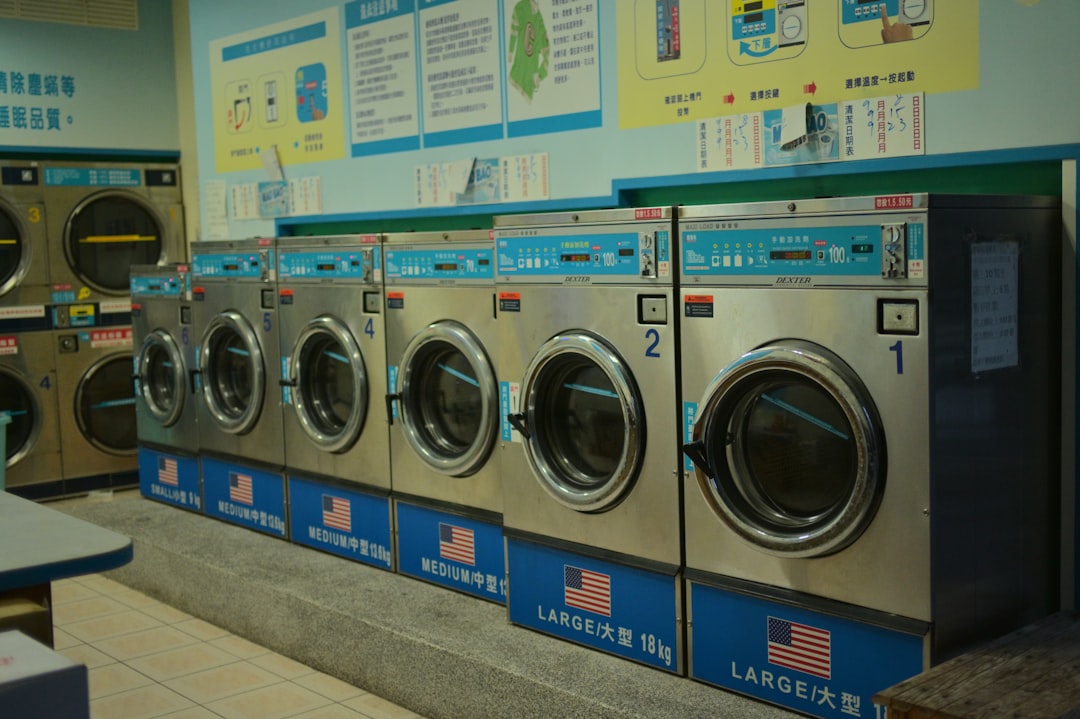
Equipment is the single biggest check you’ll write opening a laundromat, and it’s the one decision you live with for 15 years. Pick wrong and you’re either overpaying upfront or bleeding money on slow cycles and repair bills for the life of the store. Three brands dominate U.S. coin laundry — Speed Queen, Dexter, and Continental Girbau — and they’re genuinely different machines built for different priorities. Here’s how they compare in 2026 and how to match one to your store’s economics.
Note: Prices below are 2026 MSRP ranges for washer-extractors and vary by capacity, distributor, and install. Always get local distributor quotes — laundromat equipment is rarely bought at list price.
The Three Brands, Side by Side
| Speed Queen | Dexter | Continental Girbau | |
|---|---|---|---|
| Washer MSRP range | $8,200–$14,500 | $7,800–$13,200 | $9,000–$16,800 |
| Headline lines | SC5, SF7 | T-900, T-1200 | EW-Series |
| Cycle time | 30–38 min | 25–32 min (fastest) | 30–36 min |
| Warranty | 5 yr parts + labor | 3–5 yr (varies) | 3–5 yr |
| Standout | Market #1, resale value | Faster turns, value | 350+ G-force extraction |
Each one wins on a different axis. The trick is knowing which axis matters most for your store.
Speed Queen: The Resale and Reliability Play
Speed Queen holds the #1 market share in U.S. laundromats, and that dominance compounds in ways that matter. Their SC5 and SF7 lines are built to a 25,000-cycle durability standard and carry the industry’s longest standard warranty — 5 years parts plus labor.
The under-appreciated benefit is resale. Because Speed Queen is the default brand, used Speed Queen machines hold value and sell fast when you upgrade or exit. Parts are available everywhere, and any laundry tech knows the machines cold. If your strategy includes selling the business in 5–7 years (a common and smart laundromat play), Speed Queen’s resale strength directly raises your exit multiple.
Best for: owners who prioritize warranty, parts availability, and a strong resale position — especially if exit is part of the plan.
Dexter: The Turns-Per-Day Play
Dexter’s T-900 and T-1200 express lines run noticeably faster cycles — 25 to 32 minutes versus Speed Queen’s 30 to 38. In a laundromat, cycle time is revenue. A machine that finishes 6–8 minutes faster can squeeze in more turns during the busy after-work and weekend windows, and in an unattended store running near capacity, those extra turns drop almost entirely to the bottom line.
Dexter also tends to be simpler to maintain and lands at the value end on price. For an owner-operator who wants to maximize throughput per machine and keep maintenance straightforward, Dexter is the efficiency pick.
Best for: high-traffic stores where turns-per-day is the binding constraint, and owners who want faster payback per machine.
Continental Girbau: The Utility-Cost Play
Continental Girbau brings European engineering and one number that quietly changes your monthly P&L: 350+ G-force extraction. Higher extraction pulls more water out of each load, which cuts dry times by up to 35%. Less dryer gas burned per load means lower utility bills — and in a business where utilities are one of your top operating costs, that adds up over 15 years.
Their EW-Series soft-mount washers are also quieter and gentler on fabrics, which matters more for attended or premium/wash-dry-fold stores than for bare-bones coin operations.
Best for: stores where utility costs are high (expensive gas/water markets) or premium positioning matters, and owners willing to pay more upfront to save monthly.
The Real Question Isn’t “Which Brand” — It’s “Which Math”
Here’s where most first-time buyers go wrong: they pick a brand based on a forum thread or what the nearest distributor pushes. The right way is to run the total cost of ownership against your store’s actual economics:
- Upfront cost vs. your financing terms
- Cycle time vs. your expected turns per day (only matters if you’ll run near capacity)
- Extraction/utility savings vs. your local gas and water rates
- Resale value vs. your planned hold period
A high-traffic store in a cheap-utility market leans Dexter (turns win). A store in an expensive-utility market leans Continental (extraction savings win). An owner planning to sell in 5 years leans Speed Queen (resale wins). There is no universally “best” machine — only the best fit for your numbers.
That side-by-side TCO comparison is built directly into our Laundromat Business Plan Blueprint. It includes an Equipment Stack Calculator that puts Speed Queen, Dexter, and Continental against each other on per-cycle cost, life cycle, and resale recovery — plugged into the same model that projects your store’s 27.5% stabilized ROI. Instead of guessing from a forum, you see which brand actually maximizes return for your specific traffic and utility assumptions.
Your Next Three Steps
- Estimate your turns per day first. If you won’t run near capacity, cycle speed barely matters and you can optimize for resale or utilities instead.
- Check your local utility rates. In expensive gas/water markets, Continental’s extraction savings can outweigh its higher sticker price over 15 years.
- Get three distributor quotes. Nobody pays MSRP. Quotes also reveal local parts/service support — which matters as much as the machine.
The equipment decision feels like it’s about the machines. It’s really about your store’s math. Get the numbers first, and the brand chooses itself.
Disclaimer: This article is general information, not financial advice. Equipment prices and specs change; verify current pricing and warranty terms with authorized distributors before purchasing.