How to Start a Home Daycare in 2026: A Realistic 90-Day Plan
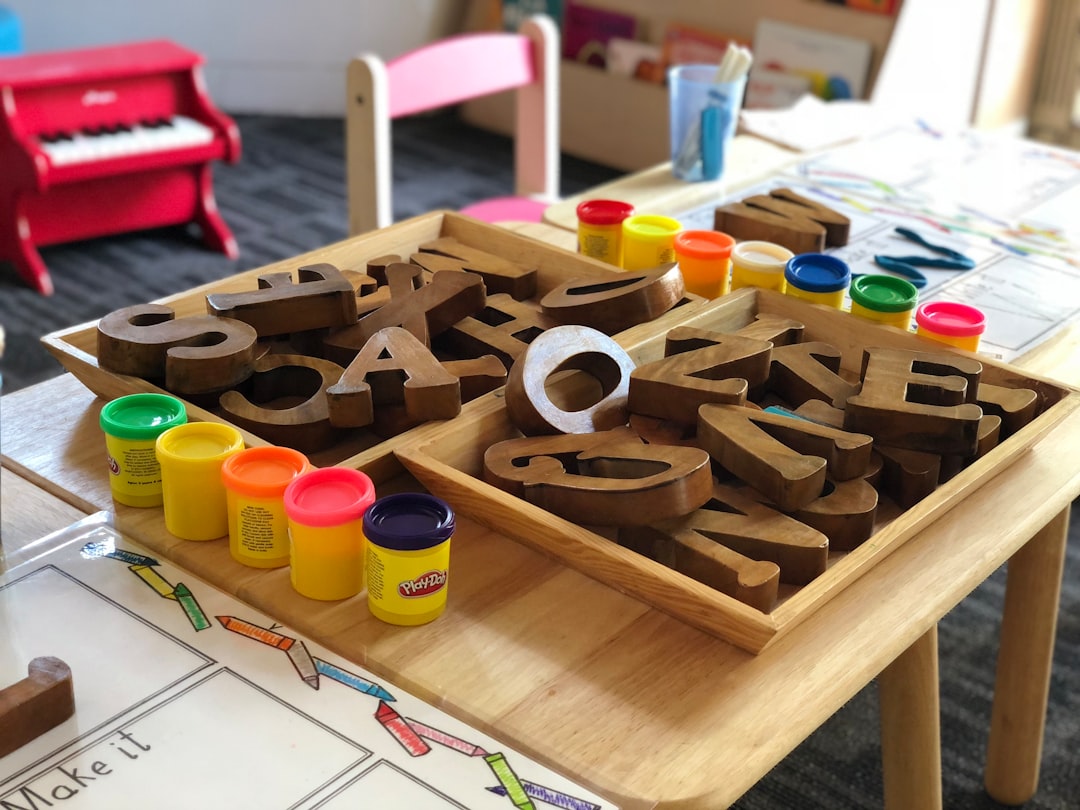
“How long does it take to open an in-home daycare?” is a question with two honest answers. The fastest motivated founder in a streamlined state can be licensed and enrolled with one or two children inside 60 days. Most realistic timelines, accounting for fingerprint background checks, fire inspections, and the time it takes to actually build a waitlist, land at 90 days. Anyone telling you 30 days is selling you something.
This plan splits the 90 days into three clear phases — Compliance, Facility & Curriculum, Enrollment — with the specific tasks that have to land in each. Stay in sequence and Month 4 is the first month you bill full tuition.
Important: Childcare is one of the most heavily regulated small-business categories in the country. Every state — and many counties — have different ratios, square footage minimums, training requirements, and inspection cadences. The tasks below are the common pattern; verify each step with your state licensing agency before you start.
Phase 1 — Days 1 to 30: Compliance and Foundation
The mistake almost every new home-daycare founder makes is buying classroom furniture in Week 1. Furniture is the easy part. The slow part is paperwork — and the paperwork has a fixed minimum runway because background checks and inspections are not on your calendar, they are on someone else’s.
Week 1 — Decide the operating model.
- Family Childcare Home (typically 6–8 kids, including your own) vs Group Family Home (10–12 kids with an assistant). Most states have a clear line; check your state agency.
- LLC vs Sole Proprietorship. For a home daycare with kids in your house, the LLC liability shield is worth the $50–$300 filing fee. File it in Week 1 so the EIN is ready when insurance quotes need it.
Weeks 2–3 — Submit the state application + background checks.
- State application form + filing fee ($50–$200 typical, up to $500 in California and a few high-cost states).
- FBI fingerprint background check for every adult living in the home — $30–$60 per person, 1–3 week turnaround.
- Child Abuse Registry clearance — state portal, free to $25, 2–4 week turnaround.
This is the part with the longest tail. Submit fingerprints in Week 2 at the latest or your Day 90 launch slips into Day 120.
Week 4 — Insurance, EIN, business banking.
- Home daycare insurance ($500–$1,200/year) — usually a rider on your homeowner’s policy plus a daycare-specific liability policy. Call your homeowner’s carrier first; many will not cover daycare and you’ll need a specialist (GAINSCO, Markel, or your state Farm Bureau often write these).
- EIN from the IRS (free, 10 minutes).
- Business checking account separate from personal.
By the end of Day 30 your application is in, your background checks are running, your insurance is bound, and your LLC + EIN are active. Inspections come in Phase 2.
Phase 2 — Days 31 to 60: Facility, Curriculum, Inspections
Now you spend money on the physical space, but only on what licensing actually requires. The Pinterest-perfect classroom can wait until you have revenue.
Fire safety + zoning + ADA — the inspection checklist
State licensors will look for, at minimum:
- Smoke + CO detectors on every level (you probably already have these — verify battery life).
- Fire extinguisher in the kitchen (5 lb ABC, $40 at any hardware store).
- Emergency exit plan posted at every exit.
- Outlet covers on every accessible outlet.
- Cabinet locks on anything with chemicals, medications, or sharp tools.
- Pool/water hazard fencing if applicable (and many states will not license you with an unfenced backyard pool, period).
- Indoor square footage — typically 35 sqft of usable play space per child (state varies from 25–50).
- Outdoor square footage — typically 75 sqft per child of fenced outdoor space.
Total facility upgrade cost for an average home: $300–$1,200 depending on what’s already in place. Pool fencing alone is $2,500–$8,000 if you don’t have one — which is why founders with pools often delay or relocate.
Curriculum identity (decide this in Week 5)
You do not need a published curriculum to be licensed in most states, but you need a curriculum philosophy for enrollment marketing. The three most-asked-about by parents in 2026:
- Play-based developmental — broad, age-appropriate, lowest startup learning curve for new directors.
- Montessori-inspired — high parent interest, but “Montessori” is technically trademarked; “Montessori-inspired” is the legal phrase if you are not certified.
- Faith-based / Reggio Emilia / nature-based — niche, attracts a smaller but more loyal parent pool.
Pick one and design your enrollment materials around it. Parents who shop on curriculum tend to be sticky tenants — they don’t price-shop you the way subsidy families sometimes do.
Supplies — the actual list
- 6–8 cubbies / coat hooks at child height ($150–$300)
- Low shelving for materials ($200–$500 — IKEA TROFAST is the classic)
- Nap mats (one per child, $25–$45 each)
- Art supplies starter (paper, crayons, paint, glue, scissors — $150)
- Sensory bin materials ($75)
- Books — 30+ titles age-appropriate ($150 used / $300 new)
- Outdoor play equipment basics — sand/water table, balance bike, balls ($300–$600)
- Diapering station + supplies if infants ($150)
- High chairs (1 per under-2 child, $80–$150 each)
Total: $1,500–$3,000 for a 6-child setup. A founder with prior parenting experience often spends the low end because they already own half of it.
Pediatric CPR + first aid
Red Cross or American Heart Association certification — 4-hour course, $50–$100, valid 2 years. Most states require it before final licensing. Book it during Week 6 so the certificate is in hand by inspection.
Final licensing visit
The inspector walks the home, reviews paperwork, and either licenses you that day or hands you a punch list. Common punch list items: missing outlet cover, expired fire extinguisher, sleep-area square footage short by a few feet. Fix and re-inspect within 2 weeks — usually no second fee.
Phase 3 — Days 61 to 90: Waitlist and First Enrollments
This is where most new directors freeze. Licensing is concrete — there’s a checklist, you check the boxes, you pass. Enrollment is the opposite. There is no checklist; there is just getting families to choose you. The good news: the channels that actually work are short and predictable.
Open house (Day 65)
- Set the date in Week 9. Saturday morning, 9–11 AM is the standard sweet spot.
- Print 50 simple flyers ($25 at Staples or 0$ on Canva).
- Distribute: pediatric offices (ask the front desk if you can leave a stack), library children’s section, local mom Facebook groups, Nextdoor posts.
- Run a single $50 Facebook ad targeted to “parents of children 0–4” in a 3-mile radius for one week leading up to the open house.
Realistic attendance for a first open house: 6–12 families. That is enough to fill a 6-child home daycare with a small waitlist.
Referral incentive
A $200 tuition credit per enrolled referral is the standard rate in most markets and pays for itself in Month 2. Print it on the open-house handout.
Pediatric office partnerships
This is the highest-intent lead source most new directors miss. Walk into 4–6 local pediatric offices with a branded flyer, ask the office manager if you can leave a stack at the front desk, and offer a $100 credit to the office’s quarterly staff lunch fund if a referral enrolls. Most office managers say yes.
Daily and weekly rate, tuition tiers
Tuition tiering for the typical 2026 in-home daycare:
| Age tier | Multiplier | 2026 typical monthly rate |
|---|---|---|
| Infant (6 weeks – 12 mo) | 1.4× base | $1,400–$1,600 |
| Toddler (1–2 yr) | 1.2× base | $1,200–$1,400 |
| Preschool (3–5 yr) | 1.0× base | $1,000–$1,200 |
| School-age before/after | 0.5× base | $400–$600 |
The infant premium reflects the tighter 1:4 ratio most states require — fewer infants per caregiver, so each infant slot has to cover more revenue. A typical in-home daycare maxing out at 6 children with a mix of 2 infants + 4 toddlers nets $7,200–$8,400/month gross.
Realistic first-month enrollment
A typical Day 90 launch for a home daycare sees 2–3 children enrolled on opening day, climbing to 5–6 by Day 120 as referrals close. Do not expect a full house on opening day. Plan financially for a 60–90 day ramp from 30% to full capacity at the home-daycare scale. (Larger center-based daycares — 24–100 children — follow a 10-month enrollment ramp instead, since center families take longer to commit and waitlist conversion happens gradually.)
What Day 90 Looks Like in Numbers
- Licensing fee + background checks: $130–$285
- LLC + EIN + business banking: $0–$300
- Insurance (annual, year 1): $500–$1,200
- Facility upgrades: $300–$1,200 (no pool fencing)
- Supplies + curriculum materials: $1,500–$3,000
- CPR + first aid certification: $50–$100
- Open house + first-month marketing: $100–$200
- Total Day 1 capital: $2,580–$6,285
Compare that to a center-based daycare opening, which runs $200,000–$500,000 in build-out and first-year operating losses. The capital math is the entire reason in-home is the on-ramp.
The Long Tail: From Day 90 to Year 1
Days 90–180 are filling the schedule. Most home daycares are at 80–90% capacity by Month 4 if the open house, referral, and pediatric channels are all active. Month 5–6 is when the waitlist becomes the operating constraint instead of the marketing pipeline.
Year 1 revenue for a 6-child home daycare at full capacity: $72,000–$96,000 gross, with $50,000–$70,000 net after rent contribution, food, supplies, and insurance. Reasonable owner take-home: $45,000–$60,000 in Year 1, climbing as you stabilize and add the seventh / eighth licensed slot in Year 2.
FAQ
Do I need a degree to start a home daycare? Most states do not require a college degree for a family childcare home — they require background clearances, CPR, and a state-specific orientation course (often 4–20 hours). Some states require a Child Development Associate (CDA) credential for the lead caregiver in a group home.
Can I run a daycare in a rented home? Yes, but you need written landlord permission, often in writing as part of your license application. Many landlords are nervous about liability — check before you sign a new lease.
What’s the difference between a home daycare and a group home? Family childcare home = smaller (typically 6–8 kids), one primary caregiver, less paperwork. Group family home = larger (10–12 kids), requires an assistant, more state oversight. Most founders start with family and graduate to group in Year 2 if demand justifies.
Do I need food handler permits? If you serve meals, yes — most states require a food handler card ($10–$30 online course) and USDA CACFP enrollment if you want federal meal reimbursement (worth $1.50–$3.00 per meal per child).
How fast can I be making money? Realistic first dollar billed: Day 90–100. Realistic full capacity: Month 4–5. Realistic stable monthly profit: Month 6–9 after the seasonal Q3 enrollment surge.
The Full Playbook
This post is the 90-day skeleton. The full system — state-by-state licensing matrix, 36-child center model (for when you scale up), 12-month P&L, tuition pricing tool, parent contract templates, and a step-by-step opening checklist — is inside our home daycare business plan and toolkit on Etsy. 113-page lender-ready plan plus 5 decision tools — built for founders who want the structured version of everything above.
#Home Daycare #In-Home Daycare #Childcare Business #Small Business #Licensing