How to Buy an Existing Laundromat in 2026: Due Diligence Playbook
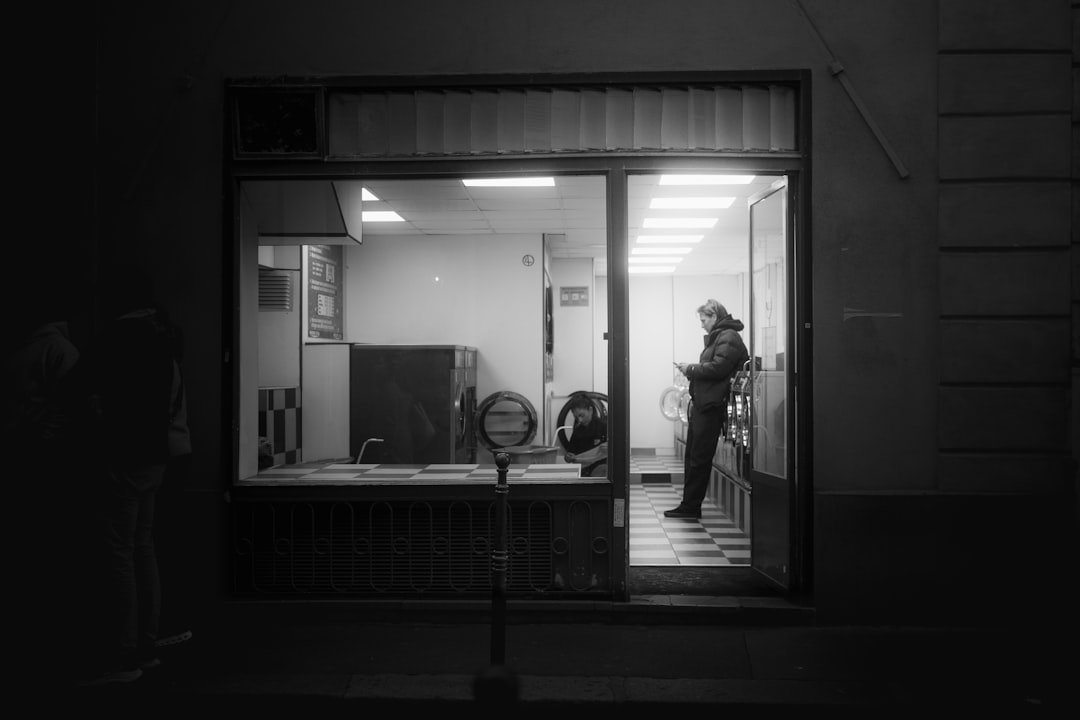
Most first-time laundromat buyers shop the wrong things. They visit the store at 2 PM on a Tuesday, count machines, eyeball the line, and ask the seller “what does it gross?” Six months later they own a $300,000 store that pulls in 60% of what the seller claimed and a utility bill that quietly doubles their operating cost. Every part of that mistake is preventable, and the prevention is unsexy: it’s a books audit, a utility audit, and a lease audit, in that order.
This guide is the due diligence sequence first-time buyers can actually run themselves before they involve a broker or a lawyer. The whole protocol takes about 6–10 hours of work and saves the average buyer 15–25% on their purchase price — or saves them from buying the wrong store at any price.
Important: Buying a small business is a legal and financial transaction with real risk. This article is general information, not legal, financial, or tax advice. Hire a business attorney and a CPA before you sign a purchase agreement.
Why the “What Does It Gross?” Question Doesn’t Work
Sellers tell you what their store grosses. Brokers repeat the seller’s number on the listing. Tax returns show a smaller number. Bank deposits show something between the two. The actual revenue is usually somewhere in the middle, and the gap between “what the seller says” and “what the books show” is the single biggest source of buyer regret.
The thing is, you do not need to take anyone’s word for it. Laundromat revenue is physically auditable — water flowing in equals cycles run equals revenue earned. The math is unavoidable, and the seller cannot fake the water bill. The whole due diligence playbook is built around that fact.
The 5-Document Books Audit
Ask for these five documents. A serious seller hands them over within 48 hours of a signed NDA. A seller who stalls past two weeks is a serious yellow flag.
1. 24 months of utility bills (water, gas, electric)
This is the single most powerful audit document. Water flowing through a laundromat is a direct proxy for cycles run, and cycles times average ticket equals revenue.
- Pull the gallons-per-month from every water bill across 24 months.
- Estimate cycles: most front-load commercial washers use 12–18 gallons per cycle, top-loads 24–35 gallons. Use a blended 18 gal/cycle for a mixed-machine store.
- Cycles × average ticket ($1.85 blended self-service + dry in 2026) = implied revenue.
- Compare to the seller’s stated revenue. If the seller’s claim is more than 15% above the water-derived implied revenue, the seller is inflating.
A worked example: a 12-machine store using 80,000 gallons/month at 18 gal/cycle = ~4,400 cycles/month × $1.85 = ~$8,140/month gross self-service revenue. Add wash-and-fold + vending and a mid-size store should land $9K–$13K/month. If the seller is saying $20K, ask why.
2. Tax returns (Schedule C or business tax return, last 3 years)
The IRS gets a less optimistic version of the revenue story than the buyer does. Pull Schedule C (sole prop) or business returns and look at the Gross Receipts line.
- Tax return revenue is usually the floor — sellers sometimes under-report cash, but they rarely over-report.
- If the seller’s stated revenue is 30%+ above the tax return, ask for an explanation in writing. Common honest answers: ramp-up year, recent expansion, card system added recently. Common dishonest answer: silence.
3. POS / card processor reports
For card-equipped stores, the POS system generates daily and monthly revenue reports.
- Pull the last 12 months of monthly transaction summaries.
- Cross-reference against the bank deposits.
- A clean store: POS report = deposits ± 2%. A messy store: gaps you can drive a truck through.
4. Coin drop ledger (if applicable)
Stores still on coin should have a coin drop log — the operator records the cash collected from each machine on each visit.
- Ask for 12 months of the log.
- The numbers should be lumpy but consistent over time — vacation weeks dip, Mondays after a holiday spike. A perfectly smooth ledger is suspicious (often fabricated for the buyer).
5. Lease + amendments
The lease is its own document — get every page, every amendment, every side letter. A bad lease can erase the value of the entire business overnight in Year 2.
The Utility Audit: Where Most Stores Hide Their Real Margin
Most new owners think laundromat economics are about machine count and ticket price. They’re not. They’re about utilities as a percentage of revenue.
Industry benchmark: utilities should run 18–25% of gross revenue for a well-managed store. If the seller’s numbers imply utilities are 12% — they are probably inflating revenue or under-reporting their bills. If utilities are running 35%+, the store has a fundamental problem (leaking machines, inefficient water heaters, demand-charge electric on the wrong rate plan) that you will inherit.
The audit:
- Sum 24 months of water bills → average monthly cost.
- Sum 24 months of gas bills → average monthly cost.
- Sum 24 months of electric bills → average monthly cost.
- Sum all three → divide by implied revenue (from water audit above) → that is your real utility ratio.
- If the ratio is over 30%, walk or re-price. The store is fixable but the fix is expensive — leak repair, low-flow retrofit, water heater replacement, electric rate switch. Bake the fix cost into your offer.
A laundromat in a city with a sewer fee structured as a multiple of water usage can quietly run 30%+ utility ratios. Always check whether sewer is on a flat base or a per-gallon pass-through — it changes the math more than first-time buyers realize.
The Lease Audit: The Document That Kills Year 2
The lease is where buyers lose the most money silently. A laundromat is a long-tail asset — you don’t get the payback inside a 5-year lease. Confirm:
| Lease term to verify | What to look for | Why it matters |
|---|---|---|
| Remaining term + renewal options | At least 10 years total remaining | Equipment payback is 7–10 years; less than 10 = lender won’t finance, buyer can’t sell |
| Annual escalation | Capped at 3% or CPI floor | Uncapped escalation = lease eats your margin by Year 3 |
| CAM (Common Area Maintenance) | Pro-rata vs gross-up clause | Wrong CAM allocation in a strip mall can add $1,500/month silently |
| Utility responsibility | Sub-metered, direct from utility | Master-meter through the landlord = you are paying his markup |
| Exit clause | 90-day notice option, relocation right | If the store underperforms, you need a legal way out |
| Use clause | Explicit “laundromat” use protected | Some leases prohibit competing uses you might want to add (wash-and-fold, dry cleaning drop) |
| Personal guarantee | Limited or capped if possible | Unlimited PG follows you personally if the business fails |
Run the lease past a real-estate attorney before close. $400–$800 in legal review fees prevents the $40,000–$100,000 mistakes.
The Walk-Through: What to Inspect on Site
You walk the store after the books and lease check out, not before. The on-site visit is for confirming nothing physical contradicts the documents.
Equipment condition.
- Open every machine door. Look at the gasket, drum, and basket condition.
- Check the timestamps on the operating hours displays (most commercial machines track lifetime hours).
- Front-load washer lifespan: 12–15 years at heavy use. A 20-year-old fleet is a 24–36 month replacement budget hanging over your head.
- Dryers: simpler, longer life (15–20 years), but check the lint trap and venting for fire risk.
Operating hours observation.
- Visit at 3 different times across 2 different days — Tuesday afternoon, Friday evening, Saturday morning.
- Count cycles started in a 60-minute window each time.
- A real busy laundromat does 10–30 cycles/hour at peak. A “for-sale” store sometimes has the seller’s friends running cycles during your visit — varied times de-risk this.
Deferred maintenance signals.
- Stained ceiling tiles = roof or upstairs water leak.
- Cracked floor near machines = leaking gaskets.
- A single “out of order” sign = normal. Three or more = systemic maintenance avoidance.
- Mismatched machine brands = piecemeal replacement (you’ll be doing more).
Structuring the Offer
Laundromats trade at 3.0×–4.5× SDE (Seller’s Discretionary Earnings) for an absentee or semi-absentee store. SDE = net profit + owner’s salary + owner perks (insurance, vehicle, etc.) added back.
Calculate SDE from the tax returns:
- Start with line 31 (Schedule C) — net profit.
- Add back owner’s W-2 salary if it’s a corporation.
- Add back interest expense (you’ll have your own financing).
- Add back depreciation (non-cash).
- Add back one-time expenses (lawsuit, major repair, building purchase).
- Subtract any owner labor you’d have to pay a manager for if you were absentee (typically $35K–$55K/year).
A $300K asking price on $80K SDE = 3.75× multiple — reasonable for a stable store. The same price on $50K SDE = 6.0× — overpriced unless the store has a clear growth lever you can pull.
Financing. Most laundromat acquisitions in 2026 use SBA 7(a) loans: 10% down, 25-year amortization, ~9.5–11% APR. The lender will require DSCR (Debt Service Coverage Ratio) of 1.25 minimum — meaning the store’s cash flow must cover the loan payment 1.25 times. Run that math before you make the offer.
When to Walk
Three patterns where the right answer is “no”:
- Books and water don’t reconcile and the seller can’t explain. Walk. The next buyer will figure it out too.
- Lease has less than 8 years remaining and the landlord won’t extend. Walk or radically re-price down.
- Utility ratio above 35% with no clear remediation path. Walk or build a $30K–$80K retrofit cost into your offer.
The discipline to walk from the wrong deal is what separates the buyers who own a great store in 24 months from the ones who own a bad one for 5 years and sell at a loss.
FAQ
How much does it cost to buy a laundromat? Small mom-and-pop laundromats: $80,000–$250,000. Mid-size established stores with strong cash flow: $250,000–$600,000. Multi-store portfolios: $1M+. Most first-time buyers land at the $200K–$400K range with SBA financing.
Can I use an SBA loan to buy a laundromat? Yes — SBA 7(a) is the standard vehicle. 10% down, 25-year amortization, ~9.5–11% APR in 2026. The lender will require DSCR 1.25 on the audited numbers (not the seller’s claimed numbers).
Should I buy or start a laundromat from scratch? Buy if you find a store with stable cash flow at 3.5–4× SDE and a strong lease. Start from scratch only if no good acquisitions exist in your market and you have the patience for a 12–18 month build-out and 18–24 month ramp.
What’s the most common buyer mistake? Skipping the water bill audit. The water bill cannot lie — but most buyers never ask for 24 months of it.
Do I need to be on-site to operate a laundromat? Unattended stores are common and trade at slightly lower multiples than attended. Wash-and-fold add-ons require staff. Many absentee owners pay a part-time attendant 20–40 hours/week and visit twice weekly.
The Bigger System
This post is the due-diligence checklist. The full toolkit — DSCR-ready lender packet template, site selection scorecard, 12-month P&L with utility sensitivity, lease audit checklist, and a 36-month pro forma — is inside our laundromat business plan and toolkit on Etsy. 130-page lender-ready plan plus 8 decision tools — built for first-time buyers who want to walk into negotiations already knowing the math.
#Laundromat #Buy a Business #Due Diligence #Small Business #SBA