Home Bakery Business License by State: The 2026 Cottage Food Law Guide
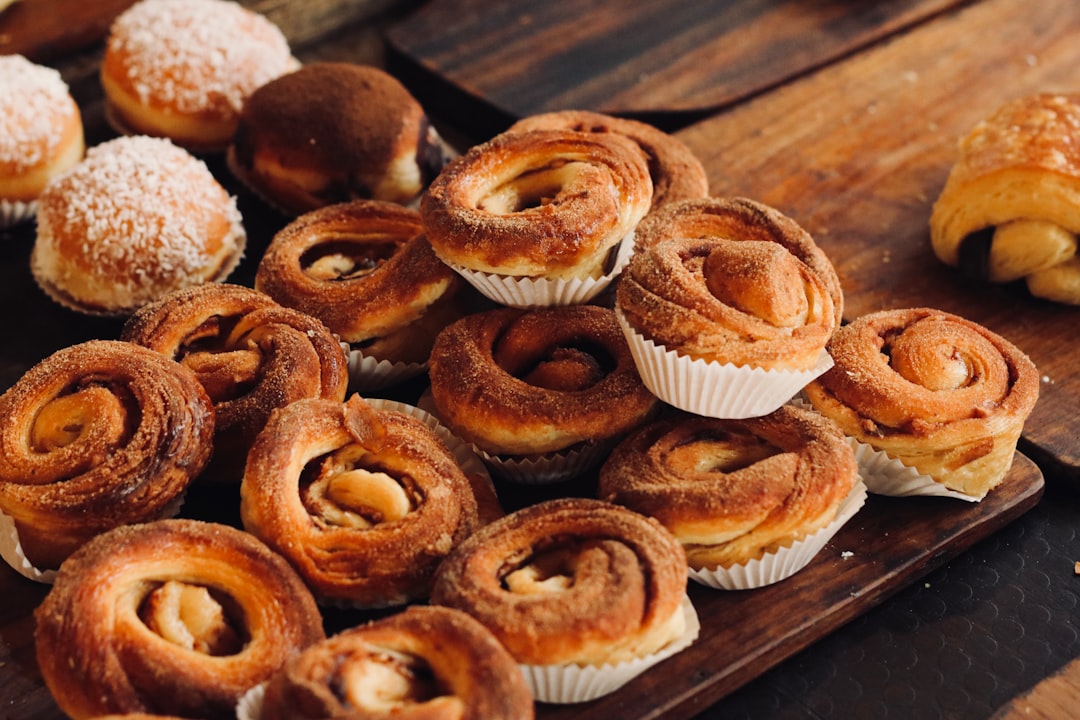
Here is the question that stops most home bakers before they ever sell a single cookie: “Am I even allowed to do this?” The answer, in almost every U.S. state in 2026, is yes — and usually without a license, an inspection, or a commercial kitchen. The catch is that the rules are written state by state, and the differences are large enough to change your entire business model.
This guide walks through what “cottage food law” actually means in 2026, which states let you earn the most, what you can and cannot sell, and the single signal that tells you it’s time to leave your home kitchen behind.
Note: Cottage food rules change frequently and vary by county on top of state law. Treat this as a starting map, not legal advice — always confirm with your state’s Department of Agriculture or local health department before you sell.
What “Cottage Food” Means in 2026
A cottage food law lets you produce certain low-risk foods in your home kitchen and sell them to the public without the commercial kitchen, permits, and inspections a storefront bakery needs. The category exists because a batch of chocolate chip cookies is not a public-health threat the way undercooked chicken is.
The notable shift in 2026 is linguistic and legal at once: several states have stopped treating home food as a narrow, tightly capped exception and started calling it “food freedom.” Oregon, California, and Texas have begun indexing their sales caps to inflation rather than freezing them at a dollar figure set a decade ago. The practical result is that a home bakery is now a more serious income path than it was even three years ago.
The trade-off is permanent: cottage food is for shelf-stable, low-moisture goods — the things that don’t grow bacteria at room temperature. The moment you want to sell a cream-filled éclair or a cheesecake, you leave cottage food territory and enter commercial kitchen rules. More on that line later.
Do You Even Need a License? It Depends on Your State
This is where bakers waste the most time, because the honest answer ranges from “nothing at all” to “register and pass an inspection.” Here is how the major states break down in 2026:
| State | License / Permit? | Annual Sales Cap | Notable |
|---|---|---|---|
| Texas | None required | $150,000 | No permit, no inspection for cottage operations |
| Florida | None required | $250,000 | One of the highest caps in the country |
| California | “Class A” self-certify / “Class B” permit for indirect sales | Indexed to inflation | Two tiers depending on where you sell |
| Ohio | None for most baked goods | No cap | Unlimited earning potential |
| Pennsylvania | “Limited Food Establishment” — register + inspection | No cap | More paperwork, but no ceiling |
The pattern that matters: a high cap or no cap changes whether home baking is a side hustle or a real business. In Texas you can run a $149,000 home bakery and never speak to a regulator. In Ohio or Pennsylvania there is no ceiling at all — your home kitchen can legally generate six figures, provided you only sell cottage-eligible foods.
If your state has a low cap (some still sit at $25,000–$50,000), that number is your business plan. It tells you exactly when you must either stop growing or move to a commercial kitchen.
What You Can and Can’t Sell
Allowed-food lists are the second place bakers get tripped up, because they’re specific and they’re enforced. The universal rule across nearly every state is shelf-stable only. If it needs refrigeration to be safe, it’s almost certainly off the cottage list.
Generally allowed everywhere:
- Breads, rolls, biscuits, and bagels
- Cookies, brownies, and bars
- Cakes and cupcakes with non-perishable frosting (buttercream is usually fine; cream cheese frosting often is not)
- Dry mixes, granola, and candy
- Jams, jellies, and fruit butters (in most states)
Almost always prohibited under cottage law:
- Anything cream- or custard-filled (éclairs, cream pies, cannoli)
- Cheesecake and most cheese-based items
- Anything requiring refrigeration for safety
- Foods with fresh meat or low-acid canned goods
The frosting rule is the one that surprises people. A beautifully decorated buttercream cake is usually fine. The same cake with a cream cheese frosting may legally require a commercial kitchen in your state. When your product line leans toward perishable items, that’s your first signal that cottage food is a stepping stone, not the destination.
Labeling: The Rule Everyone Forgets
Even in no-license states like Texas, there is one requirement you cannot skip: the label. Cottage food products must carry a label, and missing it is the most common reason an otherwise-legal home bakery gets a complaint.
A compliant cottage food label almost always needs:
- The name of your business and your home address (or city/state and ZIP, depending on the state)
- The product name
- A full ingredient list, in descending order by weight
- Common allergen disclosures (wheat, eggs, milk, nuts, soy)
- Net weight or volume
- The specific cottage food disclaimer your state mandates — usually a line like “Made in a home kitchen that is not inspected by the [State] Department of Health.”
That last line feels like it would scare customers off. It doesn’t. It’s standard at every farmers market in the country, and buyers read it as “homemade,” not “unsafe.”
The Signal That It’s Time to Go Commercial
Cottage food is the cheapest possible way to start — a few hundred dollars in ingredients and packaging versus the $80,000–$250,000 a retail storefront demands. But it has a ceiling, and crossing it cleanly is what separates a hobby from a business.
You’ve outgrown cottage food when any one of these is true:
- You’re approaching your state’s sales cap (and your state has one)
- Your best-selling product is perishable — cream-filled, cheese-based, or refrigerated
- You want to sell wholesale to cafes or grocers, which most states forbid under cottage rules
- You’re turning away catering or event orders your kitchen physically can’t fill
The smart move is to treat cottage food as Phase 1 of a deliberate plan, not as the whole plan. You use the near-zero startup cost to validate that people will pay for your product, build a customer list, and bank the margin — then graduate to a shared commercial kitchen (often rentable by the hour) or your own build-out only once the demand is proven.
That sequence — validate cheap at home, then scale with real numbers — is exactly what our Bakery Business Plan Blueprint is built around. It includes the BAKERY concept filter for deciding which model fits your market, per-item costing so you know what each product actually earns, and a 12-month P&L that shows the break-even math for the jump from home kitchen to storefront. If you’re starting on cottage food today but want the storefront to be a planned move instead of a panic, that’s the tool.
Your Next Three Steps
- Find your state’s actual rules. Search “[your state] cottage food law” and go straight to the Department of Agriculture page — not a blog summary. Confirm your cap, your allowed foods, and your labeling requirement.
- Match your product line to what’s legal. If your signature item is perishable, decide now whether to reformulate for cottage rules or plan for a commercial kitchen from the start.
- Price for the graduation, not just the side hustle. Build your prices so the margin funds the eventual move. A home bakery that prices like a hobby never escapes the kitchen.
Cottage food law in 2026 is the most generous it has ever been — high caps, no-cap states, and a real path to a licensed business. The bakers who win are the ones who treat it as the first chapter, not the only one.
Disclaimer: This article is for general information and is not legal advice. Cottage food laws change and vary by state and locality. Confirm current requirements with your state’s Department of Agriculture or local health department before selling.
#Bakery #Cottage Food Law #Home Bakery #Small Business #Food Business