Daycare Licensing Requirements 2026: State-by-State Owner's Guide
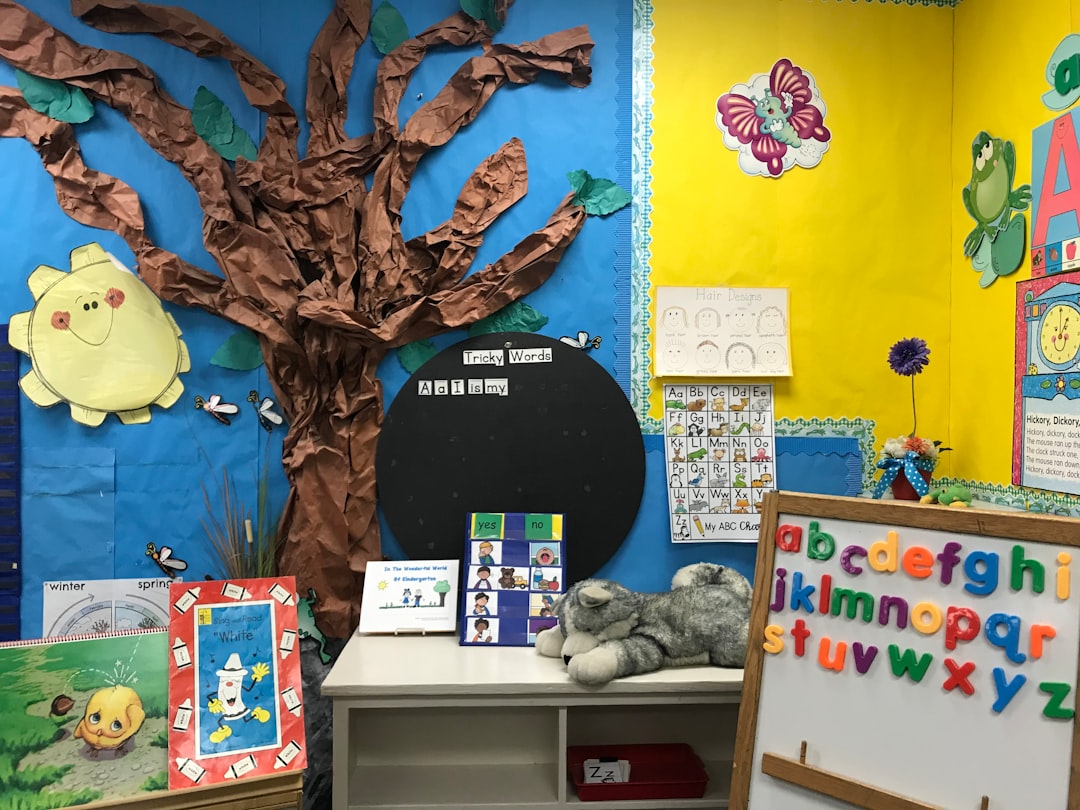
Intro
Daycare licensing requirements vary by state, but every state covers the same five categories: staff-to-child ratios, square footage per child, background checks, health and safety inspections, and director qualifications. Getting licensed takes 90 to 180 days for a center and 30 to 60 days for a home-based daycare, assuming you start with a clean facility and a complete application. This guide breaks down each requirement and the exact order to handle them.
What Are Daycare Licensing Requirements
Daycare licensing requirements are the rules a state agency uses to decide whether your childcare program can legally operate. The rules cover the physical space, the people working in it, the program design, and the records you keep. Each state runs its own licensing department, so the specific numbers and forms differ. The framework is similar everywhere because all states adopt some version of the Caring for Our Children national standards (nrckids.org).
A “licensed family child care home” usually means a small program in a private residence. A “licensed child care center” means a non-residential facility serving more children. The license type drives every other requirement.
Daycare Licensing Quick Facts
- License processing time: 30 to 60 days for home-based, 90 to 180 days for a center
- Staff-to-child ratios: typically 1:4 for infants, 1:6 for toddlers, 1:10 for preschool, 1:12 for school-age
- Square footage minimum: typically 35 sq ft of usable indoor space per child
- Outdoor space minimum: typically 75 sq ft per child
- Background checks: state and federal fingerprint check on every adult on site
- Director credential: usually CDA, AA in early childhood, or equivalent experience
- Source: Child Care Aware of America state-by-state database
Step 1: Identify Your State Licensing Agency
The first step is finding the exact agency that licenses childcare in your state. The name varies: California uses Community Care Licensing Division, Texas uses Child Care Regulation, New York uses Office of Children and Family Services, Florida uses the Department of Children and Families.
Start at Child Care Aware and look up your state. Download the licensing handbook, the application packet, and the rules document for your license type. Read the rules document end to end before you sign any lease. States change rules every 2 to 3 years, so use the most recent version, not a third-party summary.
Skip national templates that promise to cover all 50 states. They miss the local details that hold up your license — the specific form numbers, the local fingerprinting vendor, the exact wording your parent handbook needs.
Most state agencies offer a free pre-application meeting or technical assistance call. Take it. A 30-minute call with a licensing specialist saves weeks of back-and-forth on small errors.
Step 2: Confirm Zoning and Building Use
Childcare is a regulated land use in most municipalities. Before you commit to a property, call the zoning office and confirm the parcel is zoned for daycare or eligible for a special-use permit. Then call the building department and ask which fire code classification applies. Many existing buildings need an occupancy classification change to legally hold children, and that change can cost $20,000 to $80,000 in renovations.
A property that “looks fine” can still fail because of fire-rated walls, exit count, or sprinkler requirements. Get a pre-inspection from the local fire marshal before you sign a lease.
If you go home-based, check your homeowner association rules and your local residential zoning. Some HOAs ban any home business; others limit the number of non-resident children.
Get the zoning confirmation in writing on city or county letterhead. Verbal confirmations from a zoning office do not protect you if a neighbor files a complaint after you open.
Step 3: Pass Background Checks and Hire Qualified Staff
Every adult on site needs a state and federal fingerprint background check before they can be alone with children. Plan 4 to 8 weeks for results. The director or licensee must also complete pediatric CPR, pediatric first aid, and the state-required orientation training before the license is issued.
Director qualifications are the second-most-common reason license applications get held up. Most states require one of: a Child Development Associate (CDA) credential, an AA degree in early childhood education, a BA with childcare coursework, or 2 to 4 years of documented experience plus credentialed coursework. The Council for Professional Recognition runs the CDA program (cdacouncil.org).
Set ratios on paper before you hire. Underestimating staff payroll is the most common Year 1 cash error.
Step 4: Build the Facility to Code
State rules dictate hard physical minimums: usable indoor space per child, outdoor playground square footage, fenced perimeter, sink count, diaper-changing station design, separate isolation area for sick children, and dedicated food prep space if you serve meals.
Build the floor plan around the rules, not the other way around. A 2,000 sq ft center serving 35 children needs 1,225 sq ft of usable program space (35 × 35), separate areas by age group, two exits, an outdoor playground, and ADA-compliant restrooms. Cutting corners on any one item triggers a re-inspection that adds 30 to 60 days.
Get manufacturer fire ratings on every piece of furniture and your flooring. Inspectors will ask.
Step 5: Apply, Inspect, Open
Submit the license application packet with every required attachment: floor plan, fire marshal sign-off, zoning letter, background check confirmations, director credentials, parent handbook, staff handbook, emergency plan, and proof of liability insurance. Missing one document delays the application by weeks.
After the paperwork passes a desk review, the licensing inspector schedules an on-site visit. Walk the inspector through the building and treat their notes as a punch list. Most centers fail the first inspection on small items: missing outlet covers, expired fire extinguisher tags, unlabeled chemicals. Fix everything in writing within the cure period and request a re-inspection.
Open with a soft launch — 50% of licensed capacity for the first 30 days. This protects ratios while staff finalize routines and lets you stress-test meal service, drop-off flow, and emergency drills with a smaller group.
Document everything from Day 1. State inspectors return for unannounced visits, and the operators who survive their first surprise inspection are the ones with binders ready.
Common Mistakes That Stall Licensing
- Signing a lease before checking zoning and fire code classification
- Hiring staff before fingerprint results clear (you cannot count them in ratios yet)
- Using a generic parent handbook that omits state-required policies
- Submitting an application with a “draft” floor plan instead of an architect-stamped one
- Skipping the pre-application meeting that most state agencies offer for free
Cost Breakdown (Center-Based Daycare License Path)
| Line Item | Home-Based | Small Center (20–35 kids) | Mid Center (50–80 kids) |
|---|---|---|---|
| License application fee | $50–$200 | $100–$500 | $200–$1,000 |
| Background checks (per adult) | $50–$120 | $50–$120 | $50–$120 |
| Director credential (if needed) | $0–$1,500 | $0–$3,500 | $0–$5,000 |
| Facility renovations to meet code | $0–$5,000 | $20,000–$80,000 | $80,000–$250,000 |
| Liability insurance (Year 1) | $600–$1,200 | $2,500–$5,000 | $5,000–$10,000 |
| Fire marshal + health inspection fees | $100–$400 | $400–$1,500 | $1,000–$3,000 |
| Parent + staff handbook drafting | $0–$500 | $500–$2,500 | $2,500–$5,000 |
ProjectionHub’s 2024 daycare cost analysis (projectionhub.com) cites $10,000 to $50,000 total for in-home programs and $59,000 to $3 million for facility-based centers, depending on size.
FAQ
How long does it take to get a daycare license? Home-based licenses typically take 30 to 60 days from application to approval. Center-based licenses take 90 to 180 days because of facility inspections and zoning sign-offs.
Do I need a degree to run a daycare? Most states require the director to hold a CDA credential, an associate degree in early childhood education, or 2 to 4 years of documented experience plus coursework. Owners who are not directors can hire a qualified director instead.
What ratios apply to a typical daycare? Common ratios are 1:4 for infants, 1:6 for toddlers, 1:10 for preschool, and 1:12 for school-age. Exact numbers vary by state — check your state licensing handbook.
Can I run a daycare from my home? Yes, in most states. A licensed family child care home typically serves 6 to 12 children including the operator’s own children. Check your homeowner association rules and local zoning before applying.
Do I need liability insurance to apply? Yes. Most states require proof of general liability insurance with $1M per occurrence before issuing the license.
How much does daycare licensing cost? The license fee itself is usually $50 to $1,000. Facility upgrades to meet code are the bigger expense and can range from a few thousand dollars for a home program to $80,000+ for a center.
Conclusion + Next Step
Daycare licensing requirements are detailed but predictable: read your state handbook, confirm zoning, hire qualified staff, build to code, and inspect with a punch-list mindset. If you want every checklist, ratio chart, and licensing tracker in one place, the Daycare Business Plan Template on Etsy includes 100+ pages, 13 decision tools, and a master pre-launch checklist of 100+ items.
Image Alt Text Suggestions
- “Daycare licensing requirements 2026 — 5-step process diagram”
- “Staff-to-child ratio chart for licensed childcare programs”
- “Daycare facility floor plan showing 35 sq ft per child”
- “Daycare director credential pathways comparison”
- “Fire marshal pre-inspection checklist for childcare centers”
- “Daycare licensing application packet checklist”
JSON-LD Schema
{
  "@context": "https://schema.org",
  "@graph": [
    {
      "@type": "HowTo",
      "name": "How to Get a Daycare License in 2026",
      "description": "5-step guide to daycare licensing: state agency identification, zoning, staffing, facility build-out, and inspection.",
      "totalTime": "P180D",
      "step": [
        {"@type": "HowToStep", "name": "Identify Your State Licensing Agency", "text": "Find your state agency through Child Care Aware and download the current rules document."},
        {"@type": "HowToStep", "name": "Confirm Zoning and Building Use", "text": "Verify zoning, fire classification, and HOA rules before signing a lease."},
        {"@type": "HowToStep", "name": "Pass Background Checks and Hire Qualified Staff", "text": "Run state and federal fingerprint checks and confirm director credentials."},
        {"@type": "HowToStep", "name": "Build the Facility to Code", "text": "Meet square footage, exit count, sink count, and outdoor playground minimums."},
        {"@type": "HowToStep", "name": "Apply, Inspect, Open", "text": "Submit the application packet, pass on-site inspection, and soft-launch at 50% capacity."}
      ]
    },
    {
      "@type": "FAQPage",
      "mainEntity": [
        {"@type": "Question", "name": "How long does it take to get a daycare license?", "acceptedAnswer": {"@type": "Answer", "text": "Home-based licenses take 30 to 60 days; center-based licenses take 90 to 180 days."}},
        {"@type": "Question", "name": "Do I need a degree to run a daycare?", "acceptedAnswer": {"@type": "Answer", "text": "Most states require the director to hold a CDA, AA in early childhood, or equivalent experience."}},
        {"@type": "Question", "name": "What ratios apply to a typical daycare?", "acceptedAnswer": {"@type": "Answer", "text": "Common ratios are 1:4 infants, 1:6 toddlers, 1:10 preschool, and 1:12 school-age."}},
        {"@type": "Question", "name": "Can I run a daycare from my home?", "acceptedAnswer": {"@type": "Answer", "text": "Yes, in most states. A family child care home typically serves 6 to 12 children."}}
      ]
    },
    {
      "@type": "Article",
      "headline": "Daycare Licensing Requirements 2026: State-by-State Owner's Guide",
      "author": {"@type": "Organization", "name": "bizOpsPlaybook"},
      "datePublished": "2026-04-27"
    }
  ]
}