Daycare Curriculum Choices 2026: Montessori vs Reggio Compare
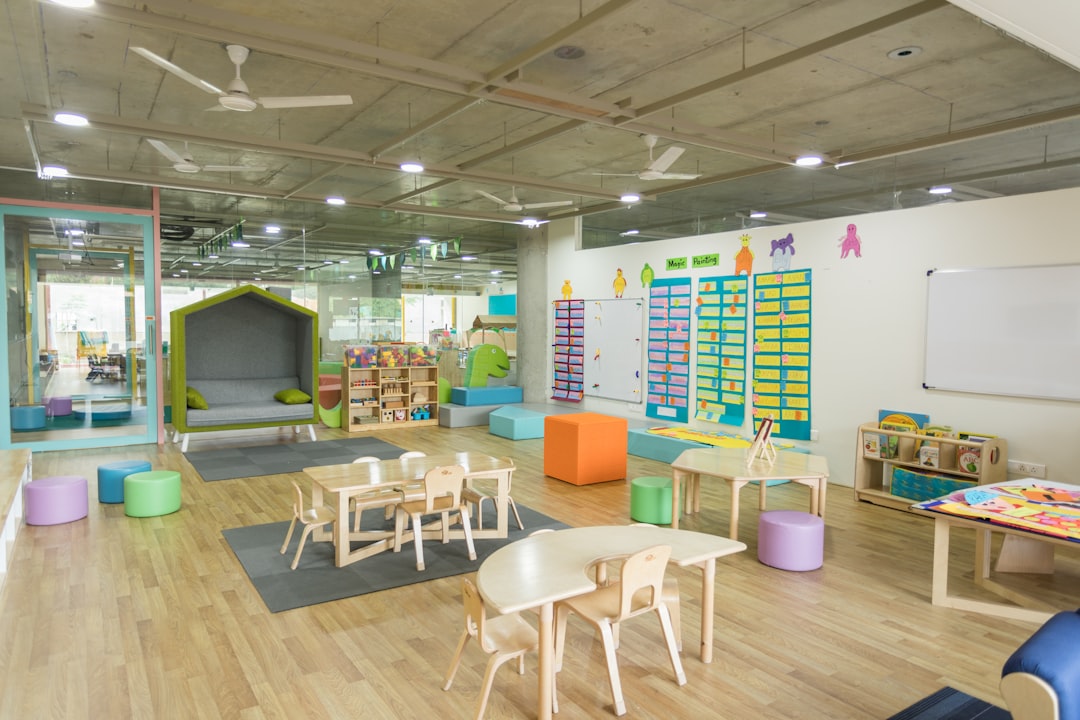
A daycare with no clearly stated curriculum identity looks generic to parents. A daycare with a strong curriculum identity — Montessori, Reggio Emilia, play-based, Waldorf, faith-based — typically commands 10–25% higher tuition and sees noticeably stronger waitlist demand in most markets. Curriculum isn’t a soft branding choice. It’s a positioning decision that changes the entire economics of the operation.
This guide is the honest breakdown of the five most common 2026 curriculum choices: what each actually teaches, what it costs to implement, which families it attracts, and what tuition premium each supports. There’s no “best” curriculum — but there is a right fit for each founder + local market combination.
Note: Curriculum implementation requirements + parent expectations vary by state, region, and community. The tuition premium ranges below are 2026 U.S. patterns; local market dynamics vary. This is general information, not licensing or certification advice.
Why Curriculum Identity Matters More Than It Feels
Three reasons curriculum drives real financial outcomes:
- Tuition premium. Curriculum-identified daycares typically command 10–25% higher tuition than generic “daycare” positioning.
- Retention. Curriculum-aligned families tend to stay meaningfully longer — industry-reported patterns suggest curriculum-consistent tenure often runs 40–60% longer than generic enrollment.
- Referral rate. Curriculum-loyal parents recommend to like-minded parents at meaningfully higher rates than generic-daycare parents.
The math: a $50/month tuition premium × 24 months × 6 children = $7,200 extra annual revenue from a single curriculum-identified enrollment vs generic.
The Five Common 2026 Curriculum Options
1. Montessori (or “Montessori-Inspired”)
Core principle: Child-led learning through structured hands-on materials in mixed-age classrooms.
Classroom look: Low wooden shelves, materials organized by developmental progression, child-sized furniture, clear order.
Setup investment: $3,000–$8,000 in authentic Montessori materials (or $1,500–$3,000 for Montessori-inspired via IKEA + Lakeshore). Certified Montessori teacher: $52K–$68K/year.
Legal note: “Montessori” is technically not trademarked but “AMS Certified Montessori” and “AMI Montessori” are. Uncertified programs must use “Montessori-inspired” in all marketing.
Attracts: Educated professional parents, families who value independence + focus. Higher-income demographics.
Tuition premium supported: 15–25% above generic daycare in most markets.
Certification path: AMS or AMI teacher training $8K–$15K per teacher. Full school accreditation $10K–$18K + annual fees. Most in-home Montessori-inspired programs skip full accreditation and just describe the philosophy.
2. Reggio Emilia
Core principle: Learning through project-based exploration; child as protagonist; teacher as co-learner.
Classroom look: Documentation walls (children’s work displayed), natural materials, open studio spaces, less structured than Montessori.
Setup investment: $2,000–$5,000 in project supplies + documentation materials. Reggio-trained teacher: $50K–$65K/year.
Attracts: Creative-professional families, urban markets, university-town parents.
Tuition premium supported: 12–20% above generic.
Certification path: Reggio-inspired can be self-adopted with study + community of practice. Formal Reggio accreditation is difficult (most U.S. schools use “Reggio-inspired”).
3. Waldorf
Core principle: Rhythmic daily/weekly/seasonal patterns; delayed academic introduction; emphasis on nature, arts, imagination.
Classroom look: Natural wood + wool materials, seasonal displays, no screens, no plastic toys.
Setup investment: $2,500–$6,000 in Waldorf-appropriate materials. Waldorf-trained teacher: $48K–$62K/year.
Attracts: Nature-focused families, homeschool-adjacent parents, anti-screen parents.
Tuition premium supported: 10–18% above generic.
Certification path: AWSNA (Association of Waldorf Schools of North America) accreditation for full schools; smaller programs use “Waldorf-inspired.”
4. Play-Based Developmental
Core principle: Learning through unstructured + semi-structured play; developmentally appropriate practice.
Classroom look: Varied activity centers, blocks, art station, reading nook, sensory bin, dramatic play.
Setup investment: $1,500–$3,500 in general early childhood materials. Any qualified early childhood teacher: $38K–$55K/year.
Attracts: Broadest appeal — most families default to play-based when they don’t have a specific curriculum preference.
Tuition premium supported: 5–10% above generic (or often just the market rate — play-based is the baseline).
Certification path: State child-development credential (CDA) covers this; no additional accreditation required for the curriculum itself.
5. Faith-Based
Core principle: Religious tradition integrated into daily curriculum (prayer, values, scripture-appropriate story time).
Classroom look: Standard daycare setup with faith-oriented decorations, seasonal religious observance.
Setup investment: $1,500–$3,500 standard + $200–$500 in faith-appropriate materials + curriculum.
Attracts: Highly loyal families within the faith community. Tenure often 3+ years.
Tuition premium supported: 8–15% above generic within-faith market. Neutral vs generic in secular markets.
Certification path: Church-affiliated daycares often have simplified licensing paths and lower rent. Standalone faith-based programs use standard licensing + faith identity marketing.
Side-by-Side Cost + Premium Compare
| Curriculum | Setup Cost | Teacher Premium | Tuition Premium | Best For |
|---|---|---|---|---|
| Montessori | $3K–$8K | $12K–$18K/year | 15–25% | Professional urban markets |
| Reggio Emilia | $2K–$5K | $10K–$15K/year | 12–20% | Creative + university markets |
| Waldorf | $2.5K–$6K | $8K–$12K/year | 10–18% | Nature-focused families |
| Play-Based | $1.5K–$3.5K | $0 | 0–10% | Broad market default |
| Faith-Based | $1.5K–$3.5K + $500 | $0 | 8–15% within community | Church-community markets |
The Founder Fit Question
Curriculum choice should fit two things:
- Local market demand. A Waldorf daycare in a rural agricultural community may not find enough parent demand. A play-based daycare in downtown San Francisco leaves premium on the table.
- Founder authenticity. A director running Montessori without believing in the philosophy produces a shallow implementation parents will notice. Pick the curriculum you can actually deliver with conviction.
Rule of thumb: run a straw poll of 15–20 target-market families before committing. Ask “if you were choosing a daycare, would Montessori, Reggio, Waldorf, play-based, or faith-based matter most?” Their answers tell you what local market will support.
Implementation Timeline
For any curriculum choice, realistic implementation:
- Days 1–30: Study curriculum principles + observe an existing program in-person
- Days 31–60: Purchase materials + set up classroom
- Days 61–90: Train self + any staff on curriculum framework
- Days 91–180: First 90 days of operation with curriculum applied; adjust based on parent feedback
Full curriculum fluency takes 12–18 months. Marketing the curriculum from Day 1 is fine as long as you’re delivering the philosophy authentically.
Marketing the Curriculum Choice
Once chosen, integrate curriculum identity everywhere:
- Facility name + tagline: “Bright Beginnings Montessori-Inspired Daycare”
- Every marketing photo shows curriculum-consistent classroom + activities
- Parent handbook explains curriculum philosophy in plain language
- Open house includes curriculum demo (not just facility tour)
- Waitlist form asks parents to indicate familiarity with curriculum
Parents don’t want to be sold a curriculum. They want to feel understood by a program that shares their values.
Common Curriculum Mistakes
- Claiming “Montessori” without certification. Legal exposure + parent trust issue. Use “Montessori-inspired” until certified.
- Mixing curriculums. “We do Montessori mornings + Waldorf afternoons” reads as unfocused. Pick one primary framework.
- Choosing curriculum for premium without conviction. Parents can tell within 4 weeks whether the philosophy is genuine or marketing. Fake curriculum = higher-than-average Year 1 churn.
FAQ
Do I need to be certified to run a Montessori program? No — “Montessori-inspired” is legally clean. Formal AMS or AMI certification lets you drop the “inspired” qualifier and typically supports 5–10% higher tuition.
What’s the fastest curriculum to implement? Play-based is the fastest (no additional training needed beyond standard early childhood credential). Faith-based next (if the founder is already in the faith community).
Can I switch curriculums after opening? Not gracefully. Curriculum switching mid-operation confuses staff + parents + causes 20–35% enrollment churn. Choose carefully upfront.
Is Montessori too expensive for a home daycare? Not necessarily — Montessori-inspired implementation on $2K–$3K of materials is feasible. Formal Montessori accreditation is expensive and usually skipped by in-home operations.
Which curriculum has the best marketing appeal in 2026? Montessori-inspired continues to lead parent search + waitlist demand in professional urban markets. Reggio is second. Play-based is the market default.
The Full Playbook
This post is the curriculum decision framework. The full home-daycare toolkit — parent contract templates, state-by-state licensing matrix, 12-month P&L, tuition tier calculator, and the 7-chapter D.A.Y.C.A.R.E. framework — is inside the daycare business plan and toolkit on Etsy.