Cottage Food vs Retail Bakery 2026: Real Capital + Income
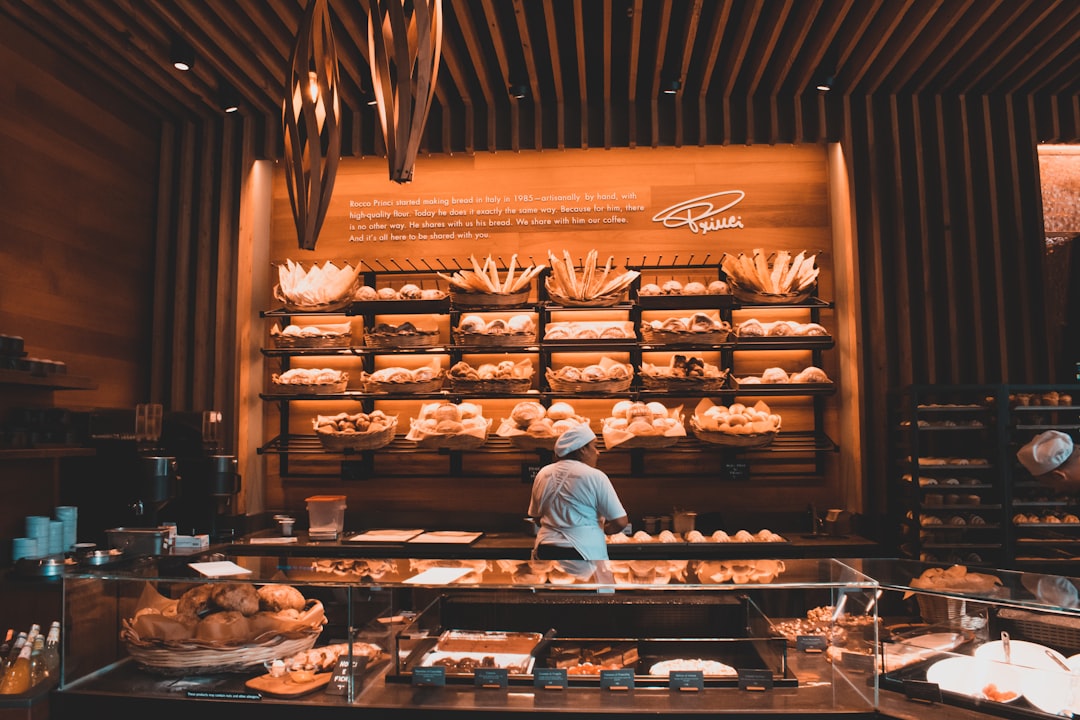
The two paths into the bakery business in 2026 look like completely different careers. The cottage food baker can be operating from a home kitchen by next Saturday with $1,200 in supplies. The retail bakery founder is 14 months out — leases, permits, equipment install, soft open, ramp. Both are legitimate. Both make money. The choice between them is rarely about which is “better” — it’s about which fits the specific capital, lifestyle, and capacity goals of the founder.
This guide lays out both paths side by side: actual startup capital, realistic Year 1 income, ceiling on growth, day-to-day operations, and the framework for picking the right one.
Note: Cottage food laws vary substantially by state — sales caps, allowed foods, labeling requirements, and online-sales permissions differ. The figures below are 2026 national patterns. Verify your state’s cottage food statute and your local zoning before launching either path.
The Cottage Food Path
Cottage food law is the framework that lets home cooks legally sell baked goods (and certain other non-perishable foods) made in a home kitchen, without commercial licensing or inspections, subject to state limits.
Most states allow under cottage food law:
- Yeast breads, quick breads, rolls
- Cookies, brownies, cakes (no refrigerated frosting in most states)
- Pies (fruit only in most states; meat + custard pies typically excluded)
- Granola, dry mixes, jams + jellies (varies by state)
- Candies, chocolates, fudge
Common cottage food rules across states:
- Maximum annual gross sales cap ($25K–$150K depending on state; some states uncapped)
- Direct-to-consumer only (some states allow farmers markets + online; others require in-person handoff)
- Labels must say “Made in a home kitchen not subject to state inspection”
- No interstate commerce (cottage food = within-state sales only)
- No products requiring refrigeration
The strongest cottage food states in 2026 (broadest sales rules + highest caps):
- Texas — broad food list, online sales allowed, no annual cap.
- California — $150K cap, online sales allowed, broad list including cottage Class B (any cottage food).
- Wyoming — no cap, includes raw milk and meat under Wyoming Food Freedom Act.
- Maine — direct + intermediate (some retail) sales allowed.
- Pennsylvania — broad list, online + farmers market allowed.
Cottage Food Capital + Year 1 Income
| Component | Cost |
|---|---|
| State registration / cottage food permit | $0–$100 |
| Liability insurance (rider on homeowner’s) | $200–$500/year |
| Initial supplies (containers, labels, packaging) | $300–$600 |
| Mixer + basic equipment upgrade | $600–$2,500 |
| First marketing (farmers market booth fees + Instagram setup) | $300–$800 |
| Total Day-1 capital | $1,400–$4,500 |
Realistic Year 1 cottage food income:
- Solo, weekend-focused: $8,000–$18,000 gross
- Full-time, 1 farmers market + 12 weekly recurring orders: $24,000–$48,000 gross
- Full-time, multiple markets + wholesale-to-cafes (where state allows): $50,000–$80,000 gross (close to state cap if applicable)
Net margin on cottage food typically runs 35–45% because overhead is essentially zero (kitchen and utilities are already paid for as part of the home). So a $40K gross translates to $14K–$18K net before tax.
The Retail Bakery Path
Retail bakery is a different business: a leased commercial space, a build-out, full food permits, employees, equipment, and a Year 1 ramp curve that doesn’t break even until Month 6–8.
Retail Bakery Capital + Year 1 Income
Capital breakdown for a typical 1,200–1,800 sqft retail bakery:
| Component | Low | High |
|---|---|---|
| Lease deposit + first/last month | $7,000 | $18,000 |
| Build-out (plumbing, electrical, hood, flooring) | $15,000 | $55,000 |
| Equipment (mixer, ovens, proofer, walk-in, display case, POS) | $20,000 | $80,000 |
| Initial inventory + ingredients | $2,500 | $5,500 |
| Permits + licenses + business formation | $1,500 | $4,000 |
| First 90 days payroll buffer (1–2 staff) | $4,500 | $20,000 |
| Branding + signage + initial marketing | $1,500 | $5,000 |
| Total Day-1 capital | $51,000 | $187,000 |
Year 1 revenue for a balanced retail bakery: $140,000–$220,000 gross, averaging around $185,000 for a stabilized operation by the end of Year 1. Net income (before owner draw) lands around $23,000 on average — about 12.5% operating margin during the ramp year.
Year 2–3, with stabilized mix and pricing: $280,000–$420,000 gross at 26% gross margin / 14–18% operating margin.
Side-by-Side Compare
| Metric | Cottage Food | Retail Bakery |
|---|---|---|
| Day-1 capital | $1,400–$4,500 | $51,000–$187,000 |
| Time to first dollar | Days | 5–14 months |
| Realistic Year 1 net income | $4,000–$28,000 | -$5,000 to +$23,000 |
| Year 3 ceiling | $40,000–$80,000 net | $80,000–$200,000+ net |
| Personal time per week | 10–35 hours | 50–70+ hours |
| Staff required | None to 1 part-time helper | 2–6 employees by Year 2 |
| Customer model | Farmers market + direct + online (where allowed) | Walk-in retail + wholesale + special orders |
| Capacity ceiling | Physical (one oven, your time) | Scalable with equipment + staff |
| State legal complexity | Light (cottage food statute) | Heavy (food code, employment, lease, contracts) |
| Risk if it fails | Lost a few thousand | Lost $50K–$150K, possibly personal-guaranteed lease |
The Decision Framework
The right path is whichever fits your specific capital + capacity + lifestyle. Three questions clarify it quickly:
Question 1: How much capital can you lose without losing the household?
- Less than $10K: Cottage food is the only honest answer. Retail bakery with that little capital is a path to insolvency.
- $10K–$50K: Cottage food now, retail when revenue + savings hit $80K+. Don’t sign a retail lease at the bottom of your runway.
- $80K+ in liquid + 6 months of household reserves separate: Retail is reasonable. Cottage food is still a fine starting point if you want to validate demand first.
Question 2: What’s your realistic Year 3 income target?
- $30K–$60K: Cottage food can hit this in many states. Retail is overkill.
- $60K–$120K: Either path works. Cottage food at the state cap or a small wholesale-focused retail.
- $120K+ net: Retail or a multi-channel cottage-to-wholesale operation (where state law allows).
Question 3: Are you trying to bake or trying to run a bakery?
A counterintuitive but important question. Cottage food founders spend 70–80% of their time actually baking. Retail bakery founders spend 50–60% of their time on hiring, scheduling, supplier negotiation, lease management, and finance — and only 30–40% baking.
If the appeal is the craft itself, cottage food is closer to the ideal job. If the appeal is building a business that scales beyond your own hands, retail.
Hybrid: The Cottage-to-Retail Ladder
The smartest path for most founders isn’t “cottage or retail” — it’s “cottage then retail” if scale becomes the goal.
The ladder:
- Months 1–6: Cottage food. Validate product, pricing, and customer demand. Document everything (sales, COGS, customer feedback).
- Months 6–12: Hit the state cottage cap or capacity limit. Save aggressively. Lock in farmers market accounts.
- Months 12–18: Find a low-capital expansion — kitchen rental, commissary kitchen, shared bakery space ($800–$1,800/month). Scale revenue without retail capital.
- Months 18–30: With $50K+ in operating capital + demonstrated demand, lease retail.
Founders who use this ladder reach retail with documented numbers a landlord respects, a brand customers already know, and a financial cushion that survives the Year 1 retail ramp.
What Most Founders Get Wrong
Three patterns that consistently hurt:
- Jumping straight to retail without testing demand. Cottage food validation costs $2K and 90 days. Retail lease + build-out without it costs $80K+ and risks the lease term whether the product works or not.
- Treating cottage food as a permanent ceiling. Many cottage founders cap their own income unnecessarily — when state law allows online sales or shipping, they don’t activate those channels. Check your state’s cottage food statute thoroughly; it may permit more revenue than assumed.
- Underestimating retail labor cost. A single full-time baker at a loaded $25/hour costs $52K/year. A retail bakery needs at least one besides the owner by Month 6. Plan the payroll line item from Day 1.
FAQ
Can I do both cottage food and retail at the same time? In most states, no — the cottage food permit is tied to a home kitchen and cannot operate alongside a commercial retail bakery. Some states allow a transition period during the move. Verify with your state.
What states have the broadest cottage food laws? Texas, Wyoming, California (with the Class B option), and Pennsylvania are commonly cited as the most permissive. New York, New Jersey, and Wisconsin have historically been more restrictive but have loosened in recent years.
How long does it take to legally open a retail bakery? Typical timeline: 6–14 months from lease signing to first day of sales. Build-out (4–8 weeks), permitting (6–12 weeks), equipment install (2–6 weeks), inspection + soft open (2–4 weeks).
Is wholesale a third option? Yes — some founders skip both retail and cottage and go directly to wholesale (baking from a rented commercial kitchen and selling to coffee shops + restaurants). This requires a commercial kitchen rental ($800–$1,500/month) but skips both retail capital and cottage food caps.
Does cottage food count for tax purposes? Yes — cottage food income is reported on Schedule C of the federal 1040 just like any other self-employment income. Keep receipts for ingredients + supplies as deductible business expenses.
The Full System
This post is the path comparison. The full bakery business plan — per-item costing tool, 12-month P&L, menu engineering matrix, wholesale pricing calculator, and the 24 printable decision tools — is inside the bakery business plan and toolkit on Etsy.