Bakery Farmers Market Startup 2026: Booth Cost + Real Margin
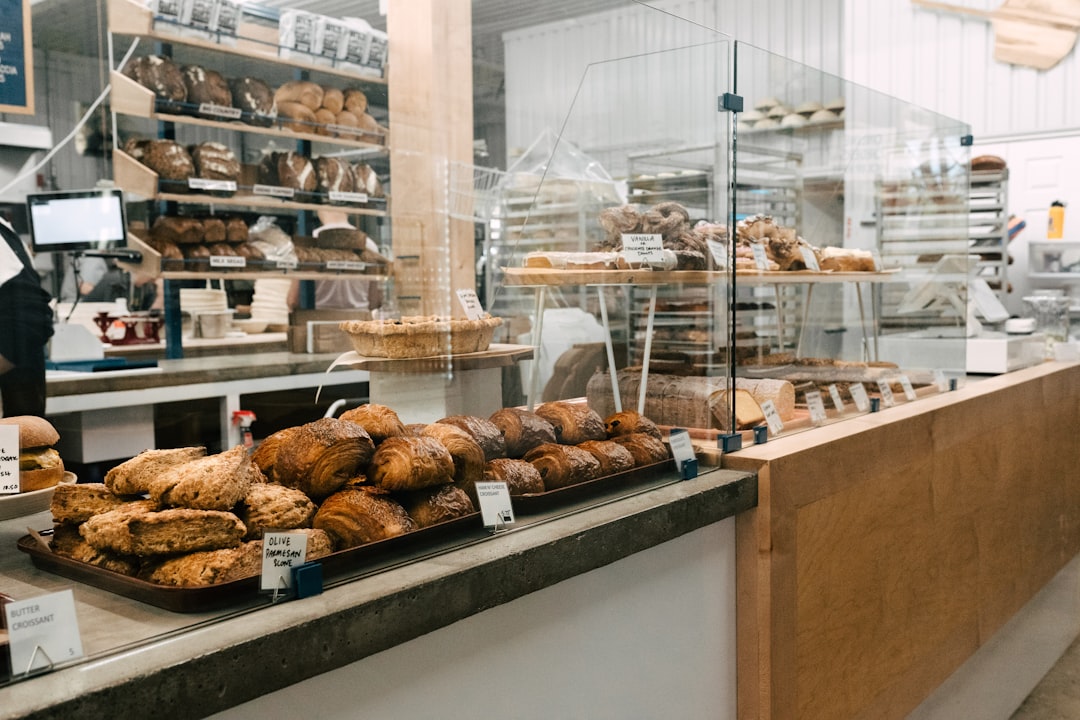
The farmers market is the most under-appreciated way to start a bakery in 2026. You can validate a product, build a customer list, and generate real revenue for a low-thousands startup cost — instead of the $80,000 to $250,000 a retail storefront demands. No lease, no build-out, no health-code construction. A folding table, a tent, a permit, and a car full of product you baked in a cottage or shared kitchen. The strongest retail bakeries of 2026 often spent 12 to 24 months at markets first, exactly because it de-risks everything a storefront gambles on Day 1.
But “low cost to start” is not the same as “easy money.” A market booth has its own math — stall fees, permits, a brutal one-morning-a-week sales window, and weather that can zero out a Saturday. This guide is the honest 2026 breakdown of what it costs, what to bake, what a day actually grosses, and when the market should stay a side hustle versus become the on-ramp to a storefront.
Note: Booth fees, permit requirements, and cottage food rules vary widely by state, county, and individual market. The figures below are typical 2026 U.S. patterns. Confirm your market’s fee schedule and your state’s cottage food law before committing — the rules differ enormously between jurisdictions.
Why the Farmers Market Is a Real On-Ramp
Three things a market gives a new baker that a storefront cannot:
- Cheap validation. You find out whether people will pay $6 for your sourdough before you sign a five-year lease. If the product does not move at a market, it will not save a storefront.
- A direct customer list. Every Saturday buyer is a potential future storefront regular, wholesale lead, or pre-order customer. Collect emails from Day 1.
- Cash-flow-positive testing. Unlike a storefront that bleeds working capital for months, a market booth can be profitable on a single good Saturday because the fixed cost is a stall fee, not rent plus payroll.
A common Year 1 hybrid in 2026 is wholesale to a couple of cafes during the week plus a Saturday market booth — the wholesale covers baseline fixed costs while the booth tests product-market fit face to face.
What It Actually Costs to Start
A market bakery startup is measured in low thousands, not tens of thousands. Typical 2026 ranges:
| Line item | Low | Typical | High |
|---|---|---|---|
| Cottage food / food handler permit | $50 | $150 | $400 |
| Market stall fee (per market day) | $25 | $50 | $125 |
| Season / membership fee (some markets) | $0 | $150 | $500 |
| Canopy tent (10x10, weighted) | $120 | $250 | $500 |
| Folding tables + linens | $80 | $180 | $350 |
| Display racks, baskets, tiered stands | $100 | $250 | $600 |
| Signage + banner + price cards | $60 | $200 | $500 |
| Packaging (bags, boxes, labels) opening stock | $80 | $200 | $450 |
| Point-of-sale (card reader) | $0 | $50 | $150 |
| One-time setup subtotal | $615 | $1,480 | $3,975 |
The recurring cost is small — a stall fee per market day plus ingredients and packaging — which is exactly why the model is forgiving. Kitchen cost depends on your state: baking under a cottage food law at home can be near-zero incremental cost, while a shared commissary kitchen typically runs $800 to $1,800 a month if your state requires a licensed kitchen for market sales.
Permits and the Cottage Food Question
The permit picture splits along one question: does your state let you bake at home for sale (cottage food) or require a licensed kitchen?
- Cottage food states let you bake non-perishable goods — breads, cookies, many pastries — at home, usually with a revenue cap and a labeling requirement. Perishable items (anything needing refrigeration, like cream-filled or custard products) are typically excluded.
- Licensed-kitchen states or products push you into a shared commissary kitchen, which adds monthly rent but unlocks the full menu and higher volume.
On top of the state rule, the market itself usually requires proof of a food handler card, liability insurance, and sometimes a sales-tax permit. Budget a few hundred dollars and a couple of weeks of lead time to get all of it in order before your first Saturday.
What to Bake for a Market
Market baking is a different discipline from café baking. The winners share four traits: they travel well, they hold quality for a full morning without refrigeration, they photograph well from across an aisle, and they carry enough margin to survive a slow-weather day.
Strong 2026 market categories:
- Sourdough and rustic loaves — high perceived value, travel-proof, the classic market anchor at $7–$10.
- Cookies and bars — high margin, no refrigeration, easy grab-and-go impulse buy at $2–$4.
- Laminated pastries (croissants, scones) — premium price, but bake volume to the weather; unsold laminated items are your biggest waste risk.
- Seasonal specials — pumpkin in October, berry in summer. Scarcity plus season drives the impulse purchase.
Avoid, at least early: anything needing refrigeration (unless your permit and equipment support it), anything that wilts by 10 a.m., and a menu wider than 6–8 SKUs. A tight, deep table outsells a wide, shallow one almost every time.
The Daily Revenue Math
Here is a realistic single-market-day model for an established booth in a mid-size 2026 market:
| Item | Price | Units sold | Revenue |
|---|---|---|---|
| Sourdough loaf | $8 | 30 | $240 |
| Cookies (single) | $3 | 60 | $180 |
| Scones | $4 | 40 | $160 |
| Croissants | $5 | 35 | $175 |
| Seasonal special | $6 | 25 | $150 |
| Day total | 190 units | $905 |
Against that $905 gross, subtract the variable costs — stall fee ($50), ingredients and packaging (roughly 30–35% of revenue for a market menu, call it $300), and fuel/booth incidentals ($25). That leaves roughly $530 in contribution for one morning’s selling, before your own labor and the hours of baking the night before.
Two honest caveats. A new booth in its first few weeks will do a fraction of this while it builds a following — plan for slow early Saturdays. And weather is a real variable: a rained-out market can cut traffic 50–70%, and you still paid the stall fee and baked the product. Bake conservatively until you know the market’s rhythm, and track sell-through every week to tune the next batch.
Market vs Storefront: The Tradeoff
| Factor | Farmers market | Retail storefront |
|---|---|---|
| Startup cost | ~$600–$4,000 | $80,000–$250,000 |
| Sales window | 1 morning/week | 6–7 days/week |
| Fixed cost | Stall fee per day | Rent + payroll + utilities |
| Weather risk | High (open-air) | Low |
| Customer volume | Concentrated, seasonal | Steady, daily |
| Validation value | Very high | Low (already committed) |
| Path to scale | Add markets / wholesale / pre-orders | Add hours / catering / second location |
The market is not a smaller storefront — it is a different business with a different rhythm. The right sequence for most 2026 bakers is: prove the product and build a list at markets, layer in weekday wholesale to smooth cash flow, and only sign a storefront lease once you have data showing consistent demand your current channels cannot fully serve.
Common Farmers Market Mistakes
- Baking for a sold-out fantasy. Over-baking on a slow-weather Saturday turns a profitable morning into a loss. Match production to the prior comparable week’s sell-through, not to hope.
- A menu too wide. Eight deep SKUs beat sixteen shallow ones. Depth signals a specialist; breadth signals a hobbyist.
- Skipping the email list. Every Saturday customer is a future wholesale or storefront lead. A booth with no capture list wastes its biggest long-term asset.
- Ignoring the cottage food revenue cap. Many states cap annual cottage food revenue. Cross it and you are suddenly required to move into a licensed kitchen — plan the transition before you hit the ceiling.
- Underpricing to “move product.” A market is a premium, direct-to-maker channel. Price for the value, not to undercut the grocery store; discounting trains customers to wait for the markdown.
FAQ
How much does it cost to start selling baked goods at a farmers market? Typically $600 to $4,000 in one-time setup (tent, tables, display, permits, signage), plus a per-day stall fee of roughly $25 to $125 and ingredient/packaging costs. Baking under a cottage food law at home keeps kitchen cost near zero; a shared commissary kitchen adds $800 to $1,800 a month.
Do I need a permit to sell baked goods at a farmers market? Almost always. Most markets require a food handler card and liability insurance, and your state either allows home cottage food baking or requires a licensed kitchen. Check your state’s cottage food law and the specific market’s vendor rules before applying.
What baked goods sell best at farmers markets? Travel-proof, shelf-stable items with strong visual appeal: sourdough and rustic loaves, cookies and bars, and laminated pastries baked to the weather. Keep the menu to 6–8 deep SKUs and add seasonal specials.
How much can a bakery booth make in a day? An established mid-size-market booth can gross $700 to $1,000+ on a good Saturday, leaving roughly $500 in contribution after stall fee, ingredients, and packaging. New booths do a fraction of that while building a following, and weather can cut a day sharply.
Is a farmers market a good way to start before opening a storefront? Yes — it is one of the best. It validates the product, builds a customer list, and generates cash-flow-positive revenue for a fraction of a storefront’s cost. Many strong 2026 retail bakeries spent 12 to 24 months at markets and wholesale first.
The Full Playbook
This post is the farmers market on-ramp. The full system — an Excel costing calculator, a 12-month P&L, a startup cost breakdown, a recipe-cost worksheet, and the 24 printable decision tools every bakery needs — is inside the bakery business plan and toolkit on Etsy. A 138-page lender-ready plan plus 24 printable tools, built for bakers scaling from a market table to a real storefront.
#Bakery #Farmers Market #Startup #Cottage Food #Small Business